
How to Find Local Events in Shanghai: A Practical Guide
Find Shanghai events through venue and organizer channels, check dates and booking details, and choose activities that fit your location, time and plans.

To find local events in Shanghai, start with the activity and area you have in mind, then check venue, organizer and official district channels for current details. Confirm the date, location, language, entry rules and booking arrangements before setting out. Local listings can help you discover options, but the organizer’s own updates are the best place to verify changes.
Shanghai’s events range from exhibitions and performances to markets, talks and community activities. A useful search is specific enough to narrow the choices: combine an event type with a district, a venue or a date that suits your plans.
This guide explains how to search, check listings and compare formats, with a short note for organizers on making event information easier to find. Treat social posts and reposted listings as leads, and confirm practical details with the venue or event organizer.
- Start with an activity, date and district that suit your plans.
- Verify schedules, locations and entry instructions with the venue or organizer.
- Compare event formats and follow the stated booking process.
- Organizers should keep event details clear and consistent across their channels.
Start with the kinds of events you want to find
Choose an activity first
Begin with what you want to do, rather than searching for everything happening in Shanghai. A search for live music, an exhibition, a food market or a family activity gives you a clearer starting point than a broad phrase such as “events today.” Add a date or district once you know the type of outing you want.
- ☐ Name the activity you want to find.
- ☐ Choose a suitable date or time window.
- ☐ Set a preferred district or travel limit.
- ☐ Decide whether you need advance booking.
Think about the experience you want from the event. A performance usually has a set start time, while an exhibition may allow a more flexible visit; a market can be easier to fit around other plans. These distinctions help you decide what details to check before booking or travelling.
If you are choosing for a group, agree on practical preferences before browsing: indoor or outdoor, seated or standing, and a short visit or a longer programme. In Shanghai, the district can shape the whole plan, especially if people are travelling from different parts of the city. Narrowing the choice first makes searches and comparisons more useful.
- Live performance or film
- Exhibition or museum programme
- Market, food event or festival
- Talk, workshop or family activity
Use district and date filters
Add a district to focus your search on a manageable area. Jing’an, Huangpu, Xuhui and Pudong are useful starting points when you already know where you will be, but a venue name can be more precise if you have a particular destination in mind. Check that the listing identifies the actual event location, not just its organizer.
Search with the date you can attend, and check whether the event runs once or over a longer period. A listing may describe an opening, a full run or one session within a larger programme, so read the event’s schedule rather than assuming every date has the same entry arrangements.
Use more than one search term when initial results are thin. Pairing an activity with a district, a venue or a Chinese-language term may surface listings that an English-only search misses. When a result looks promising, move from discovery to verification by checking the organizer or venue’s current event information.
Check Shanghai venues and official event channels
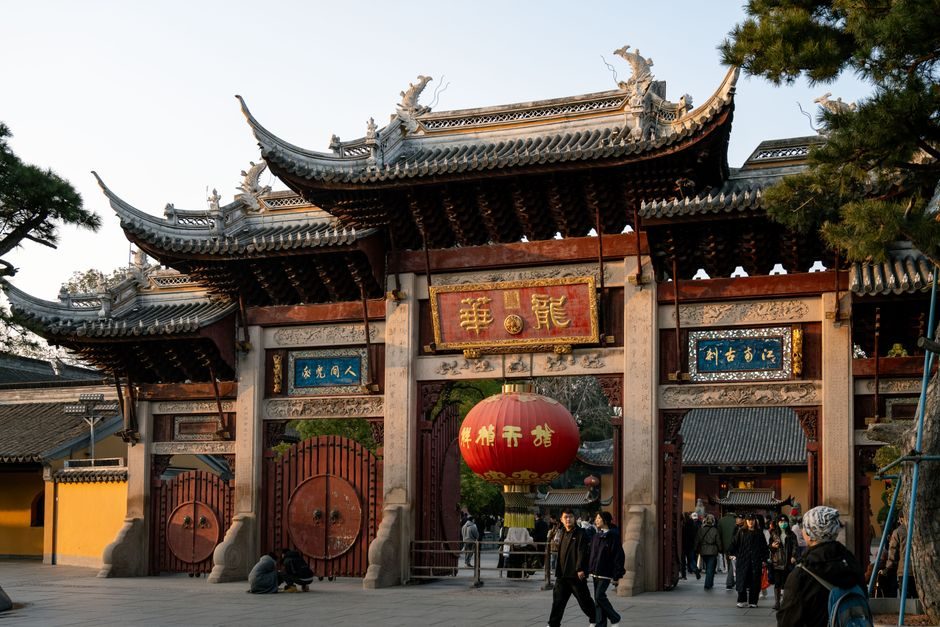
Go directly to venue channels
Once you find a possible event, check the venue’s own website or official social account for the latest practical details. Cultural institutions and performance spaces may post programme changes, entry instructions and booking information through their own channels. A repost can help you discover an event, but it may not reflect a later schedule update.
- Open the venue’s official event page.
- Compare the date and time with the listing you found.
- Follow the organizer’s stated booking or registration route.
- Recheck for updates before you leave.
Read the full listing for the venue name, date, start time and any entry conditions. Shanghai venues can host different events across multiple spaces, so confirm the specific room or entrance when that information is provided. If a listing gives only a general area, look for an organizer update before you make the trip.
Check whether the venue requires a reservation, a ticket or registration, and whether the booking page is the one linked by the organizer. Keep confirmation details available on your phone, and review any instructions about arrival or identification. If information conflicts across channels, ask the venue or event organizer rather than relying on an old post.
- Confirm the date and start time.
- Check the exact venue and event space.
- Read the entry and booking instructions.
- Look for a recent organizer update.
Use district information carefully
District and public cultural channels can be useful for discovering programmes beyond the best-known venues. Treat them as discovery sources, then follow the details back to the organizer or host institution. That extra check helps establish whether a listing is current and whether it is intended for public attendance.
For events in busy parts of central Shanghai, confirm the venue’s location and plan how you will reach it. The nearest metro station can be a helpful reference, but check the venue’s own directions and allow for the walk between the station and entrance. Do not assume that a district name alone identifies a convenient meeting point.
Language and registration details deserve attention, especially for talks, workshops and community activities. A listing may be written in one language while the event is delivered in another, or registration may close before the event date. If a detail matters to your decision and is not clear online, contact the organizer through its official channel.
Make event listings easier to discover online
Publish clear event details
For Shanghai organizers, a complete, consistent event page helps residents and visitors understand what is happening and whether they can attend. Put the event name, date, start time, venue, language and booking instructions in visible text, not only in a poster image. Seo Services can offer broader digital marketing guidance when organizers want event information to appear more clearly online.
- Relying on a poster alone; add essential details as text.
- Using different venue names; keep the official name consistent.
- Leaving old schedules live; update or clearly mark superseded information.
Use the same core details wherever the event appears, including the venue name and booking route. If the schedule changes, update the main event page and the channels that direct people to it. This reduces the chance that someone finds an outdated time through a search result or an old social post.
Write for the person deciding whether to go. Explain what the programme includes, who it is for and what visitors should know before arriving, while avoiding vague descriptions that leave basic questions unanswered. A clear page can serve both first-time visitors and local residents who need to compare the event with other plans.
- Show date, time and venue in readable text.
- State the event language and audience.
- Make booking or registration steps explicit.
- Update listings when details change.
| Format | Best for | Check before booking |
|---|---|---|
| Timed performance | A planned evening | Start and arrival time |
| Exhibition | A flexible visit | Opening dates and entry |
| Workshop or tour | A guided activity | Registration and session |
| Market or festival | Several activities | Site layout and access |
Keep listings consistent
A search result can lead readers to an event page, a venue page or a social post, so each route should point to the same current information. Give the event a recognizable title and use it consistently across channels. If a venue has several spaces, identify the specific one rather than relying on the venue name alone.
Organizers can make pages easier to interpret by separating essential details from promotional copy. Put the date, location and attendance instructions near the beginning, then explain the programme and any access requirements. When an event has multiple sessions, label each session clearly so readers do not mistake one time slot for the full schedule.
Check public listings after publishing, especially when third-party platforms reproduce event information. Correct errors where possible and make the official page easy to identify as the source for updates. For visitors searching in English, concise English details alongside any Chinese-language information can make the practical facts easier to confirm.
Choose a format that fits the time and energy you have available.
Compare event formats and booking options

Match format to your plans
Choose a format that fits the time and energy you have available. A timed performance calls for a firm arrival plan, while a drop-in exhibition may leave more room to adjust your day. A guided tour or workshop can have a fixed group size or start time, so check its listing before assuming you can arrive whenever you like.
Compare what is included, not just the event title. A festival may contain several activities with different locations or entry rules, while a talk may include a separate registration process. Read the organizer’s description to understand whether one booking covers the full programme or only a particular session.
Consider the practical demands of the outing, including travel across the city, time spent indoors or outdoors, and whether the event suits everyone in your group. For an outdoor event, check organizer updates about weather arrangements. For a seated performance, verify the entry time and any instructions about late arrival.
Confirm how to attend
Listings may offer advance booking, registration or walk-in entry, and these options are not interchangeable. Follow the process stated by the organizer, and check whether confirmation is required before arrival. If the event is listed as free, still verify whether visitors need to reserve a place or present a registration message.
Use the booking route linked from the venue or organizer’s official channel, and read the terms before submitting details. Check the event date, session and location on the confirmation, then keep the message accessible for entry. If a page is unclear or no longer available, seek an update from the organizer instead of relying on a copied listing.
Build your travel plan around the confirmed start time and the venue’s directions. Allow enough time to find the correct entrance, particularly at a large cultural site or multi-space venue. For events with limited entry windows, a late arrival may affect admission, so check the stated arrival guidance before setting off.
- Check whether booking or registration is required.
- Confirm the session and venue on your confirmation.
- Save the organizer’s latest arrival instructions.
Verify dates, locations and entry requirements
Confirm the Latest Schedule
Before making the trip, confirm the event date and start time on the organizer’s or venue’s own channel. Search results and reposted listings can remain visible after a schedule changes, so compare the listing with a recent official announcement. For multi-day programs, check which activities happen on the specific day you plan to attend.
Look for practical details alongside the headline time: doors-open time, last entry, expected duration, and whether separate sessions require separate reservations. A performance may start at a fixed hour, while a market or exhibition may allow arrival at any point during opening hours. If the event has a timetable, save or screenshot the relevant portion.
When details disagree, contact the organizer through a channel linked from its official account or website rather than relying on comments from strangers. Ask a direct question, such as whether walk-ins are accepted or a session has moved. Keep the reply available while travelling, especially if you are coordinating with friends.
Check Entry and Access Details
Check whether entry requires advance booking, a ticket, registration, identification, or a separate reservation for each attendee. Some public activities may be open access, while performances and workshops can have limited capacity. Do not assume that an event described as free has no booking step; read the organizer’s entry instructions before leaving home.
Confirm the exact venue name and entrance, since a large complex can have several buildings or gates. Check whether the listing gives a room, floor, or meeting point, and verify that it is still current. For a venue near a Metro station, use the station name as a clue, not as a substitute for the full address.
If you need step-free access, language support, age guidance, or other accommodations, ask the venue before booking. Public listings do not always explain these details, and policies can vary between events in the same building. Confirming directly helps you decide whether the experience will work for everyone in your group.
- Check the date and session time.
- Confirm whether advance booking is required.
- Verify the entrance and meeting point.
- Ask about access needs in advance.
Watch for incomplete or outdated event information
Spot Missing Details
Treat a listing as incomplete if it gives only a title and date but omits the venue, organizer, entry method, or a way to ask questions. Those gaps make it harder to judge whether the event is suitable and whether the information is current. Look for a fuller description on the venue or organizer’s own channel before making plans.
Check whether the listing explains what attendees will actually do, rather than relying on a broad label such as festival, talk, or family day. A useful description identifies the format, language where relevant, and any age or participation limits. If these basics are absent, ask the organizer instead of inferring them from an image.
A venue or event business reviewing how it appears in local search can consult Local Seo Services for practical guidance on accurate business profiles and location information. For readers checking an event, the useful principle is simpler: compare the public listing with the source that controls the venue or schedule. Consistent details make it easier to identify which announcement to trust.
Recognize Stale Announcements
Old announcements often persist in search results, group chats, and social feeds after a program has ended or changed. Look for a publication date, an update notice, or a current booking link, and make sure the event year is explicit when older posts appear. A page that still loads is not proof that its details remain valid.
Watch for signs that information has been copied without review, such as mismatched times in the text and image or a booking button leading to an expired page. Repeated errors across several reposts may point back to one outdated source. Trace the details to the original organizer before treating multiple copies as independent confirmation.
When an organizer has announced a change, use the latest clear update rather than combining fragments from older listings. If cancellation or postponement is unclear, contact the organizer and wait for confirmation before travelling. Share corrections with friends alongside the source, so they can see the update rather than receiving an unexplained change of plan.
- Check when the announcement was posted.
- Look for an explicit year and update notice.
- Test the booking link before travelling.
- Follow the latest organizer update.
Save useful sources and plan around your district
Build a Reliable Shortlist
Keep a small shortlist of official venue and organizer channels that match the activities you enjoy. Shanghai’s museums, performance spaces, community venues, and cultural institutions may publish schedules in different places, so save the source where each one regularly posts updates. This gives you a starting point without depending on a single general events feed.
Organize saved sources by district, venue type, or the days you are usually free. For example, a resident might separate nearby weekday activities from larger weekend outings, then check the relevant group when planning. Add a brief note about what each source covers, so an unfamiliar account is not mistaken for an official one later.
Organizers or partners serving Leicester and Leicestershire who want a location-specific example of local search support can look at Leicester Seo Services; for Shanghai event planning, the immediate task is keeping local listings clear and current. A personal shortlist works best when you remove stale pages and retain only sources with identifiable organizers and recent, useful updates.
Match Travel to the Venue
Use the exact venue address to estimate the journey, then check the nearest Metro station and the walk from its exit. In a busy area such as Jing’an or Xuhui, a station name alone may not reveal which side of a large block or complex you need. Confirm the entrance and allow time to find it.
For events across the river or in outer districts, compare the full door-to-door journey with the event’s start and end times. A short program can become a long outing if the return trip is inconvenient or the venue is far from public transport. Check current transport information on the day, particularly when the schedule is tight.
If you are attending several activities, group them by location rather than trying to cross Shanghai between short sessions. Leave a buffer for walking, queues, and finding the correct building, and decide in advance which event you would drop if plans slip. This keeps a full day manageable without turning each stop into a race.
- Save the full venue address.
- Check the station and the walk from it.
- Allow a transfer and arrival buffer.
- Group nearby activities together.
Choose events that fit your schedule and interests
Choose a Suitable Format
Start with the kind of participation you want: a seated performance, a drop-in market, a guided visit, or a hands-on workshop. The format determines how much planning is needed and whether arriving late is practical. A flexible exhibition visit may suit an open afternoon, while a timed performance calls for a firmer travel and arrival plan.
Check the event’s language, length, audience guidance, and interaction level against the people going with you. A talk delivered in a language you do not understand may be less rewarding than a visual exhibition, while a workshop may require active participation. Use the description to judge the experience, and ask the organizer if an important detail is unclear.
Consider what would make the outing worthwhile before booking: learning something, seeing a performance, meeting friends, or exploring a district. This helps you compare very different listings without choosing solely by a striking photo or title. If you are undecided, favor a format with clear practical details and an easy way to confirm changes.
Keep Plans Flexible
Choose an event that fits the time you actually have, including travel and the possibility of a queue. If your schedule is uncertain, look for a format with a broad arrival window rather than a fixed start. For a ticketed session, check the entry cutoff and cancellation or change terms before committing.
Make a simple backup plan for weather, transport disruption, or a sold-out session. That could mean saving a nearby alternative from an official venue source or deciding to visit another time, rather than arriving with no option. Do not assume an outdoor event will move indoors; confirm the organizer’s plan if conditions change.
For group outings, agree on a meeting point and a latest arrival time before setting off. Send the event’s official page and exact venue details to everyone, so each person can check updates directly. This small step reduces confusion when someone is delayed or mobile messages arrive out of order.
- Match the format to your available time.
- Check entry cutoffs and change terms.
- Save one nearby alternative.
- Share the official details with your group.
Frequently asked questions
Where should I look first for Shanghai event announcements?Start with the official channels of venues and organizers whose programs interest you, then use broader event listings to discover possibilities. Museums, performance spaces, cultural institutions, and community venues may post updates in different places. Once you find an event, return to the source responsible for it to verify the schedule, location, and booking instructions before making plans.
How can I tell whether an event listing is current?Check for a recent publication or update date, an explicit event year, and a working booking or registration path. Then compare the details with the venue’s or organizer’s current announcement. If the schedule, address, or entry rules conflict, ask the organizer directly rather than relying on reposts or assuming the most widely shared version is correct.
What should I do if an event’s language is not clear?Look for language information in the description, program, or booking details, and ask the organizer if it is not stated. Do not assume an event will be bilingual because its listing is in English. For a talk or guided activity, knowing the language beforehand can help you decide whether the format will be useful and enjoyable.
How much travel time should I allow for a Shanghai event?Use the complete venue address to check the route, including the walk from the nearest Metro station and any transfers. Allow additional time to locate the correct entrance, especially in a large complex or busy district. Check current transport information before leaving, and avoid scheduling separate events so tightly that one delay makes you miss the next.
Make Your Next Shanghai Outing Easier
Finding an event is only the first step: confirm the current schedule, exact entrance, and entry requirements with the organizer or venue. Compare the format and language with your interests, then account for the full journey across Shanghai. Saving a few dependable sources by district makes it easier to discover options without treating old listings or reposted details as confirmed information.
For your next outing, choose one event that fits the time you have and open its official announcement before you set off. Check the date, address, booking status, and route, and save the source so you can revisit it if plans change. If a crucial detail is missing, ask the organizer before travelling; a brief confirmation can prevent a wasted trip.
Add Shanghai News as a preferred source on Google


