
Shanghai Travel Tips: Getting Around, Eating and Planning
Plan a Shanghai stay with practical advice on metro and taxi travel, neighborhoods, local dining, sightseeing routes and everyday visitor logistics.

For a smooth Shanghai visit, choose a neighborhood near the places you plan to see, use the metro for longer cross-city trips, and leave time for walking between nearby sights. Check entry requirements and payment options before departure, then plan each day around a few districts rather than trying to cover the whole city.
Shanghai is a large city, and journey times can vary with traffic, transfers and walking distances inside stations. A flexible plan—supported by offline map access and a translation tool—makes it easier to adjust when a route or restaurant does not work out.
This guide covers arrival preparations, city transport, places to stay and ways to organize sightseeing. It also explains how to approach local dining and everyday logistics without depending on prices or schedules that may change.
- Check entry, payment and phone arrangements before departure.
- Use the metro for longer trips and walking for nearby stops; compare car journeys with traffic in mind.
- Choose a neighborhood by your itinerary, station access and preferred street atmosphere.
- Group sights by area, check access details and leave room for meals and transfers.
What to Know Before Visiting Shanghai
Prepare Documents and Essentials
Check the entry rules that apply to your passport before booking, and keep travel documents accessible during your journey. Requirements can differ by nationality and may change, so confirm them through official sources rather than relying on an old itinerary or a traveler’s post.
Plan how you will access maps, translation and transport information once you arrive. Download useful information for offline use, save your accommodation details in a form you can show, and make sure your phone can connect through an arrangement that works in China.
Visitors arriving from Turkey can check güncel döviz kurları to understand how their travel budget translates before setting spending limits. Keep your initial plan flexible: transport, meals and activities may call for different choices once you know where you are staying and how you prefer to get around.
- Check entry requirements for your passport.
- Save accommodation details offline.
- Prepare a working phone connection.
- Keep essential travel documents accessible.
Plan Payments and Communication
Set up a practical way to pay before you arrive, and check whether your cards or payment apps will work for the purchases you expect to make. Carry a backup payment method, since a phone battery, connection or merchant setup can complicate an otherwise simple transaction.
Think through how you will communicate if you need help with directions, a dietary request or a transport change. Keep key phrases and destination names ready to show on your phone, and do not assume that every person you meet will be comfortable speaking English.
Make a small arrival plan that covers your route from the airport, your first meal and how you will contact your accommodation. If one option is unavailable, having a backup reduces the pressure to make quick decisions while tired or unfamiliar with the city.
How to Get Around the City
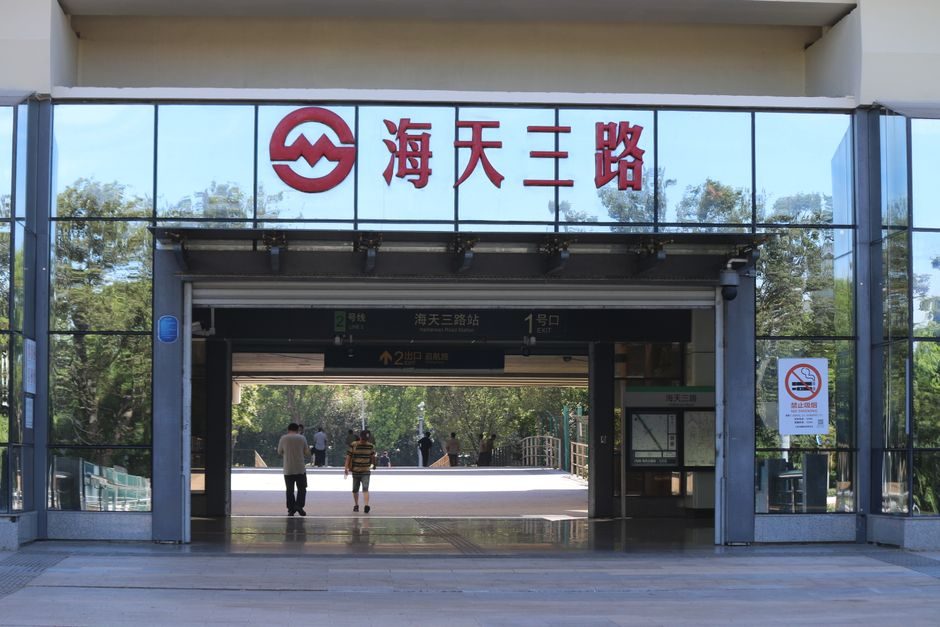
Use Metro and Walking Together
Use the Shanghai Metro for many longer trips, then walk the final stretch to your destination. Before boarding, check the route, transfer stations and station exit closest to your destination; a station name alone may not tell you which side of a large road or block you need.
For nearby places, walking can be simpler than changing lines or waiting for a car. Check the map for major roads, river crossings and entrances, since a short-looking route may involve a long detour or a less convenient crossing than expected.
Keep some flexibility around connections and station crowds, especially when traveling with luggage or during busy periods. If the route feels complicated, compare the full door-to-door walk and transfer time with a direct car ride rather than judging by distance alone.
- Check the nearest station exit before leaving.
- Use walking for short, direct connections.
- Allow extra time for transfers and luggage.
Choose Taxis and Ride-Hailing
A taxi or ride-hailing car can be useful when you have luggage, are traveling with others or need a direct route across an area with inconvenient transfers. Keep the destination name and address ready in Chinese, because a map pin may be clearer than trying to pronounce an unfamiliar street name.
Road traffic can make a car journey slower than the metro, particularly when crossing busy central areas. Compare the likely route and conditions before choosing, and avoid assuming that a short distance means a quick drive.
At busy venues, identify a safe, legal pickup point instead of stopping wherever a car can pull over. Confirm the vehicle and destination in the app or with the driver, and keep your accommodation details available in case you need to explain where you are going.
Choosing a Neighborhood for Your Stay
Match Location to Your Plans
Choose a base by the places you expect to visit, not just by a district’s name or reputation. For Turkish-speaking visitors comparing meals and other everyday costs, an euro TL döviz çevirici can help estimate expenses in familiar terms while planning a neighborhood stay.
The Bund and People’s Square suit visitors who want central landmarks and major city connections within reach, while the former French Concession appeals to those who want tree-lined streets and local cafés. These areas offer different experiences, so check the specific location of a hotel rather than assuming the whole district feels the same.
Look at the nearest metro station, the walk from the station to the accommodation and the places you will return to at night. A convenient base can reduce daily backtracking, but a quieter street or a particular food scene may matter more if that is central to your visit.
- The Bund: landmark walks and river views.
- People’s Square: central connections and museums.
- Former French Concession: leafy streets and cafés.
| Area | Good fit | Consider |
|---|---|---|
| The Bund | Riverfront landmarks | Check the exact station walk |
| People’s Square | Central connections and museums | Expect a busy central setting |
| Former French Concession | Leafy streets and cafés | Check access to your planned sights |
Consider Daily Convenience
A neighborhood should work for ordinary moments as well as sightseeing: finding breakfast, getting back after dinner and reaching a station with your luggage. Check what is close to the accommodation and whether the streets around it match your preference for lively activity or a quieter evening.
Compare the likely trip to your first planned stop, not only the journey to a famous landmark. If your itinerary includes several districts, a base near useful metro connections may save effort even when it is not beside any single attraction.
Use the property’s exact map location to assess the surrounding blocks, because district boundaries cover varied streets and services. Read recent practical details about access and facilities, and ask the accommodation how to describe its entrance if the map pin is not precise.
Build each sightseeing day around one area or a pair of nearby stops, rather than crossing Shanghai repeatedly.
Planning a Day of Sightseeing
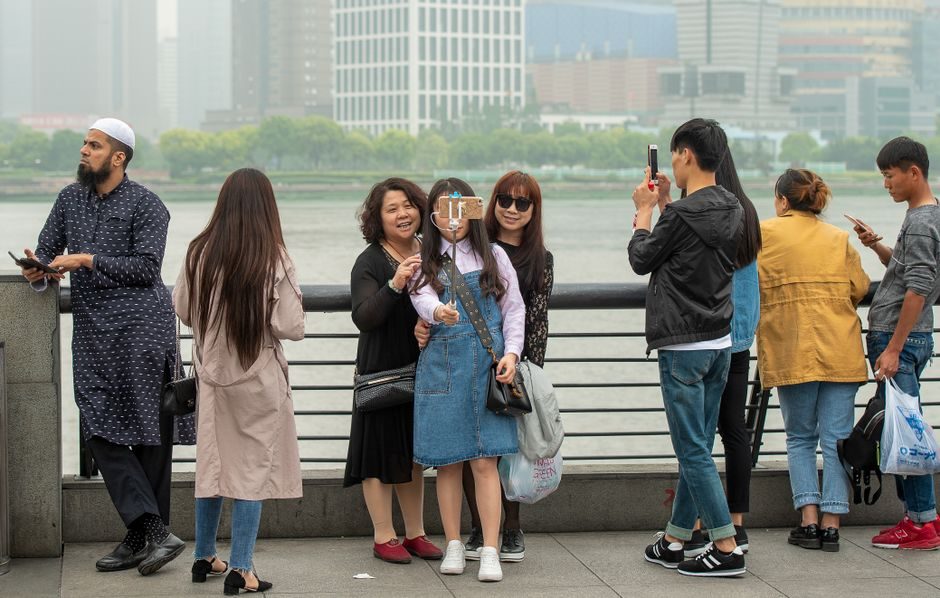
Group Nearby Sights Together
Build each sightseeing day around one area or a pair of nearby stops, rather than crossing Shanghai repeatedly. For example, the Bund and nearby central streets can make a coherent outing, while a separate plan can focus on museums or another district that deserves unhurried time.
- Plan around one area at a time.
- Check attraction access before setting out.
- Leave room for meals and transfers.
Check opening arrangements and access information for each attraction before setting out, since conditions can change. Keep an alternative nearby in mind so a delay or an unavailable entry does not force a long, last-minute journey across town.
Leave room for meals and walking between stops, including time to find entrances and move through large public spaces. A route that looks compact on a map may take longer when it includes a station transfer, a busy crossing or time spent exploring a neighborhood.
- Group sights by nearby location.
- Check access details before leaving.
- Keep a nearby alternative in mind.
- Allow time for walking and meals.
Balance Landmarks and Local Life
Pair a major landmark with time to explore the surrounding streets, instead of treating every stop as a quick photograph. The Bund, for instance, is more rewarding when you allow time to walk along the riverfront and notice how the skyline and historic buildings frame the view.
Choose meal stops that fit the day’s route and your appetite, and be prepared for menus or ordering routines that differ from what you know. A translated dish name or a photo can help you communicate, while pointing to a menu item can be useful when spoken explanations are difficult.
End the day with a return route you understand, particularly if you have been exploring unfamiliar streets. Check the last part of the journey before leaving a busy area, and keep your accommodation details ready in case you decide that a direct car ride is easier.
Finding Food That Fits Your Plans
Choose Dishes With Confidence
Use menus, pictures and familiar ingredients to make ordering easier, especially when you are hungry or short on time. Shanghai-style dishes often balance sweetness with savory flavors, while restaurants across the city also serve regional Chinese cooking and international food. If you have a dietary restriction, state it clearly and confirm that the dish can be prepared without the ingredient.
- Ordering several unfamiliar dishes at once; start with one dish you recognize and add more if needed.
- Assuming a dish is vegetarian from its name; ask whether it contains meat, stock or seafood.
- Arriving at a small restaurant with a large group; check seating and menu options before committing.
Look for busy dining rooms, but do not assume a queue guarantees the right meal for you. A crowded place may have quick turnover and a menu focused on a few specialties, while a quieter restaurant may offer more choice or room for a group. Check whether the menu has pictures or English descriptions before sitting down if clear ordering matters.
For a quick meal, bakeries, food courts and casual noodle shops can be easier than a full-service restaurant. For a longer dinner, allow time to read the menu and ask about portion size or sharing. If you are unsure how a dish is served, pointing to a menu photo or asking staff to recommend a house specialty can prevent confusion.
Plan Around Meal Times
Match your meal choice to your day rather than waiting until you are tired and hungry to find somewhere. A quick breakfast near your accommodation can leave more time for activities, while a substantial lunch may suit a day spent walking between sights. Keep a flexible option in mind in case a restaurant is full or has limited opening hours.
Shanghai dining ranges from inexpensive snacks to formal meals, and the setting often affects how long dinner takes. Dumpling shops and noodle restaurants can work between appointments, while shared dishes are better suited to an unhurried evening. Tell your group whether you want a quick meal or a longer sit-down experience before choosing a place.
Food needs can shape where you eat, so check menus and suitability before making a detour. Travelers who avoid certain ingredients should carry a written translation of the relevant restriction and show it to staff when ordering. For allergies, be direct about the seriousness and ask whether the kitchen can safely accommodate the request rather than relying on assumptions.
Budgeting for Everyday Travel Costs
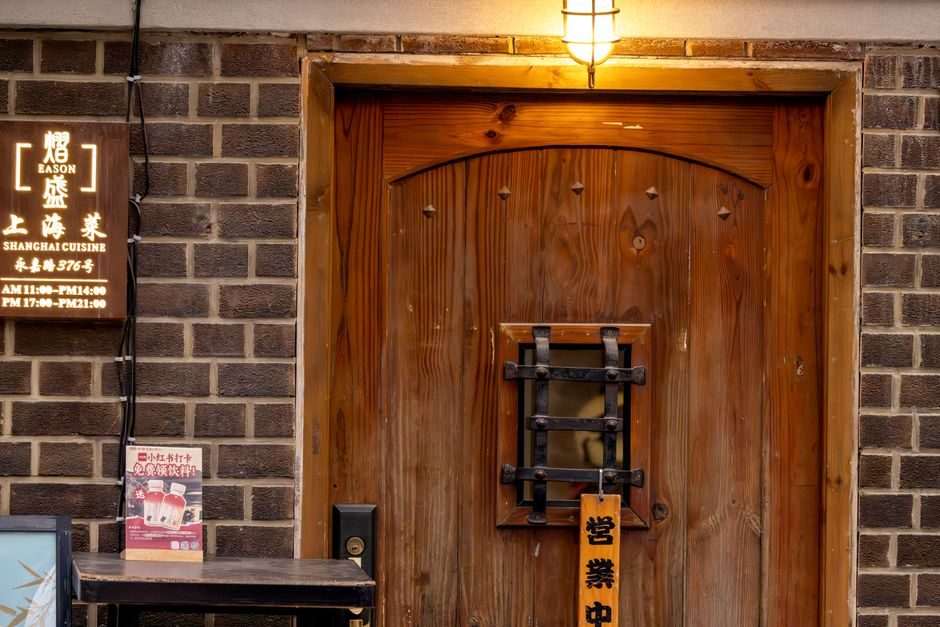
Track Spending As You Go
Set a flexible daily spending plan for meals, local transport, admissions and small purchases, then review it as the day unfolds. Costs vary with your choices: a casual meal and public transport differ from a special dinner and multiple paid attractions. Visitors from Turkey can check 1 dolar kaç TL when reviewing dollar-denominated bookings or setting a rough spending plan.
Keep a record of what you have paid, particularly when your trip includes several kinds of purchases in one day. A note on your phone can help distinguish transport from meals and show where your budget is going. Leave room for incidental needs such as bottled water, a light snack or a change in plans.
Before paying, check the amount shown on the payment screen or receipt and make sure it matches what you ordered. If a payment method is not accepted, ask what alternatives are available rather than assuming cash or a card will work everywhere. Keep a backup payment option separate from your main wallet for situations when your first choice fails.
Compare Costs Before Committing
Compare the full cost of an outing, not just the headline price of an admission ticket or meal. Add the transport needed to reach it and consider whether you will pay separately for food, an activity or a return journey. This makes it easier to choose between options without being caught off guard by extra expenses.
When a booking is quoted in another currency, check which currency your payment provider will use and whether a conversion fee may apply. Keep a note of the original amount so you can compare it with the charge that appears on your account. If the final amount is unclear, ask the merchant to confirm it before authorizing payment.
Small choices can add up across a stay, but cutting every convenience may waste time or make a day less comfortable. Decide in advance which experiences matter most, such as a particular meal or paid attraction, and keep other choices flexible. A planned treat is easier to manage than several unplanned upgrades made when you are already tired.
Avoiding Common Visitor Snags
Prepare For Small Disruptions
Save your accommodation details and key destinations in a format you can access without a reliable connection. A map screenshot or written address can help if mobile data drops, and the hotel name in Chinese can make directions easier to show. Check that your phone has enough battery before leaving and carry a charging option for a long day out.
- ☐ Save accommodation details and destinations for offline access.
- ☐ Charge your phone before setting out.
- ☐ Keep a backup payment method separate.
- ☐ Allow extra time for transfers and crowded entrances.
Allow extra time when crossing the city, changing transport modes or meeting someone at a busy entrance. Large stations and crowded streets can make it harder to spot the correct exit, even when you know the destination. If you lose your way, pause somewhere safe, confirm your location on a map and then choose the next step rather than walking on guesswork.
Keep essential documents and valuables secure, especially in crowded queues and on public transport. Carry only what you need for the day, and store a copy of important travel details separately from the originals. If a problem arises, ask staff at an official service point for help and explain the issue calmly and specifically.
Check Details Before You Go
Confirm a venue's current opening information before travelling across town, because hours and access arrangements can vary. Use the venue's own channels where possible and check again on the day if the visit is important. For major attractions, review entry requirements and booking details so you do not arrive without information you need.
Read transport and payment instructions carefully instead of relying on a memory from an earlier trip or another city. A route may involve a different entrance, transfer or payment method than you expect. If a sign or instruction is unclear, use an official information counter or ask staff before entering a restricted area or boarding.
Keep your plans adaptable when weather, crowds or service changes affect the day. Choose one priority and a nearby alternative, so a delay does not leave you without a useful plan. If you are travelling with others, agree on a meeting point and a way to reconnect in case someone becomes separated in a busy place.
Making the Most of Your Time in Shanghai
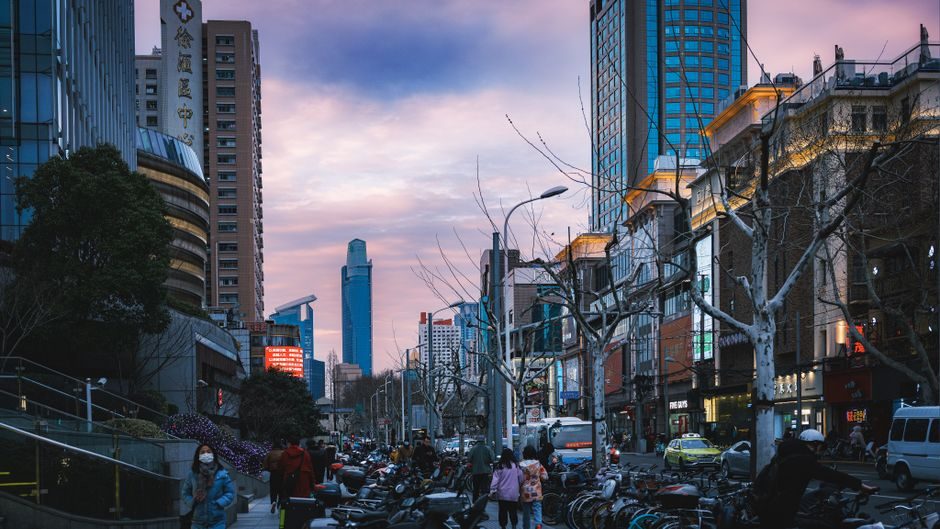
Build A Flexible Daily Rhythm
Give each day one main purpose, then add nearby activities that fit without turning the schedule into a race. A morning visit, a relaxed meal and an afternoon walk can leave room for unexpected discoveries while keeping travel time manageable. Grouping places by area helps you spend more of the day experiencing Shanghai and less of it crossing the city.
- Choose one main activity for the day.
- Add nearby stops that fit the same area.
- Schedule a meal and a short rest.
- Keep one alternative for weather or delays.
Plan breaks as deliberately as visits, particularly during hot, rainy or tiring conditions. A stop for a drink or a quiet meal can make it easier to continue exploring later, and it gives you time to check directions before moving on. Keep a flexible indoor option in mind when outdoor plans depend on the weather.
Decide what you would regret missing, then give that experience enough time rather than squeezing in several distant stops. Leave some space for a street, shop or meal that catches your attention along the way. If the day starts late, drop a lower priority rather than rushing through every planned activity.
Leave Room For Local Life
Balance major sights with ordinary city scenes, such as a neighborhood market, a local park or a meal in a casual dining room. These stops can provide a sense of daily life without requiring a separate, tightly scheduled excursion. Notice how the area changes through the day, and choose a pause that suits your pace rather than treating every moment as a photo stop.
Use practical observations to guide your choices: whether a place feels comfortable, how long it takes to get there and whether you have enough energy to enjoy it. Shanghai is a large city, so a short list of priorities is often more satisfying than attempting to see everything. Keep plans open enough to make a small change when something appealing is nearby.
Before your final day, check what still needs attention, such as packing, a meal you hoped to try or the journey to your next stop. Keep the last stretch uncomplicated if you have a departure to catch, and leave a margin for transport and finding the right entrance. A calm finish is more useful than adding one more distant attraction.
Frequently asked questions
What should I save on my phone before exploring Shanghai?Save your accommodation details, destination names, a map area and any booking confirmations you will need that day. Keep copies available offline in case your connection fails, and note important addresses in a form you can show to a driver or staff member. Make sure your phone is charged before leaving, particularly if you expect to rely on maps throughout the day.
How can I make ordering food easier if I do not read Chinese?Look for menus with photographs or English descriptions, and save a translation of any dietary restriction you need to explain. Pointing to a dish on a menu can reduce misunderstandings, but ask staff to confirm ingredients when an allergy or restriction matters. If you are unsure about a restaurant's menu, choose somewhere with clear descriptions rather than ordering by guesswork.
What is a sensible way to plan a day with several stops?Choose one priority and add stops that are close enough to fit naturally around it. Check how long the journeys may take, build in a meal and a rest, and keep one alternative for bad weather or delays. If your schedule slips, remove a lower-priority stop instead of rushing through the experience you most wanted to have.
What should I do if a payment does not go through?First check the amount and payment prompt, then ask staff which payment options they accept. Try a backup method if you have one, and avoid repeatedly authorizing a charge when the result is unclear. Keep a record of any pending or completed payment so you can check your account later and raise a question with your provider if needed.
A Practical Plan for Your Shanghai Stay
A comfortable Shanghai visit comes from making a few useful choices before setting out: pick meals that fit your day, keep spending visible, save essential details offline and allow time for transfers. Plan around a small number of priorities rather than trying to cover the whole city at once. That approach leaves room for a good meal, a change in weather or an unexpected stop without making the day feel like a checklist.
Before your first full day, save your accommodation information and key destinations, decide which experience matters most and identify a nearby food option. Check any venue details that could affect your plans, then leave the rest flexible. As the trip unfolds, adjust based on your energy and what is nearby; a well-paced day is often more memorable than one packed with distant stops.
Add Shanghai News as a preferred source on Google


