Robosense Lidar Expects Break Even by 2026
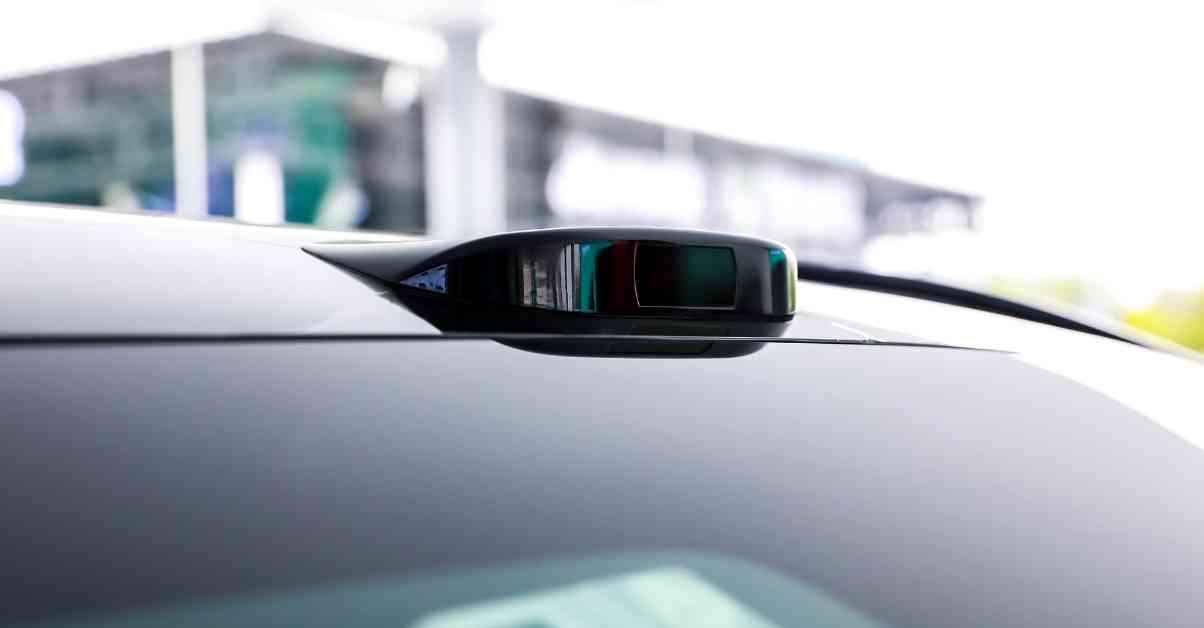
Robosense, a Chinese automotive lidar startup, recently announced that its new MX lidar unit is only 25 millimeters thick and has the capability to detect obstacles at a maximum range of 200 meters (656 feet). This breakthrough in lidar technology has garnered significant attention in the industry, positioning Robosense as a key player in the development of autonomous driving systems.
Financial Performance and Growth
In a recent financial update, Robosense reported a 65.2% decrease in net loss, totaling RMB 268 million ($37.3 million) for the first half of the year. This significant improvement was attributed to a more than doubling of revenue year-on-year to RMB 727 million, driven by surging demand for the company’s innovative lidar sensors. The positive financial results were further bolstered by strong sales and cost reduction initiatives implemented by the company.
During the first half of the year, Robosense delivered approximately 243,400 units of its lidar products to major automotive companies such as BYD, SAIC, and Geely. This impressive figure nearly matched the total number of units delivered in the previous year, highlighting the company’s rapid growth and expanding market presence. In addition to automotive lidar sensors, Robosense also manufactures laser sensors for robots and other equipment, diversifying its product portfolio and revenue streams.
Achieving a positive margin of 11.2% for its automotive lidar products, up from -35.5% the previous year, Robosense demonstrated its commitment to profitability and sustainability. The company’s overall gross margin reached 13.6%, reflecting its ability to manage costs effectively while driving revenue growth.
Future Outlook and Strategic Initiatives
Looking ahead, Robosense CEO Qiu Chunchao expressed optimism about the company’s prospects, projecting a break-even point by 2026. This positive outlook is fueled by the increasing adoption of Level 2 advanced driver assistance systems (ADAS) in the automotive industry, creating a growing market for Robosense’s cutting-edge lidar technology.
One of the key drivers of future growth for Robosense is the upcoming delivery of its MX laser sensor to leading clients such as SAIC’s IM Motors and Xpeng Motors. With a range of 200 meters and a competitive price point of approximately $200, the MX sensor is poised to revolutionize the assisted driving tech market, particularly in Chinese mainstream vehicle models priced below RMB 200,000.
According to a survey conducted by China’s Gaogong Industry Institute, the penetration rate of assisted driving technology in this price segment was in the single digits in 2023. This presents a significant growth opportunity for Robosense, as the demand for affordable and high-performance lidar sensors continues to rise in the automotive sector.
Subheadings
Robosense’s Innovative Lidar Technology
Robosense’s latest MX lidar unit represents a significant advancement in the field of autonomous driving technology. With its ultra-thin design and long-range detection capabilities, the MX sensor is poised to redefine the way vehicles perceive and navigate their surroundings. By incorporating state-of-the-art lidar technology into a compact and cost-effective package, Robosense is setting new standards for safety and efficiency in the automotive industry.
Financial Success and Market Expansion
The positive financial results reported by Robosense underscore the company’s rapid growth and market expansion. By delivering record numbers of lidar sensors to top automotive manufacturers, Robosense has solidified its position as a key player in the autonomous driving ecosystem. The strong sales performance and improved margins reflect the company’s strategic focus on innovation, quality, and customer satisfaction.
Future Growth Opportunities and Strategic Partnerships
As Robosense looks towards the future, the company is actively pursuing growth opportunities and strategic partnerships to accelerate its expansion. By targeting the mainstream vehicle segment in China and partnering with leading automotive companies, Robosense aims to capture a larger share of the rapidly growing market for lidar sensors. The upcoming delivery of the MX laser sensor to key clients marks a significant milestone for the company, signaling its readiness to capitalize on emerging trends and technologies in the automotive industry.
Conclusion
In conclusion, Robosense’s innovative lidar technology, strong financial performance, and strategic growth initiatives position the company for success in the rapidly evolving autonomous driving market. With a clear roadmap for profitability and expansion, Robosense is poised to achieve its break-even target by 2026 and continue driving the future of mobility through cutting-edge lidar solutions.