Introduction
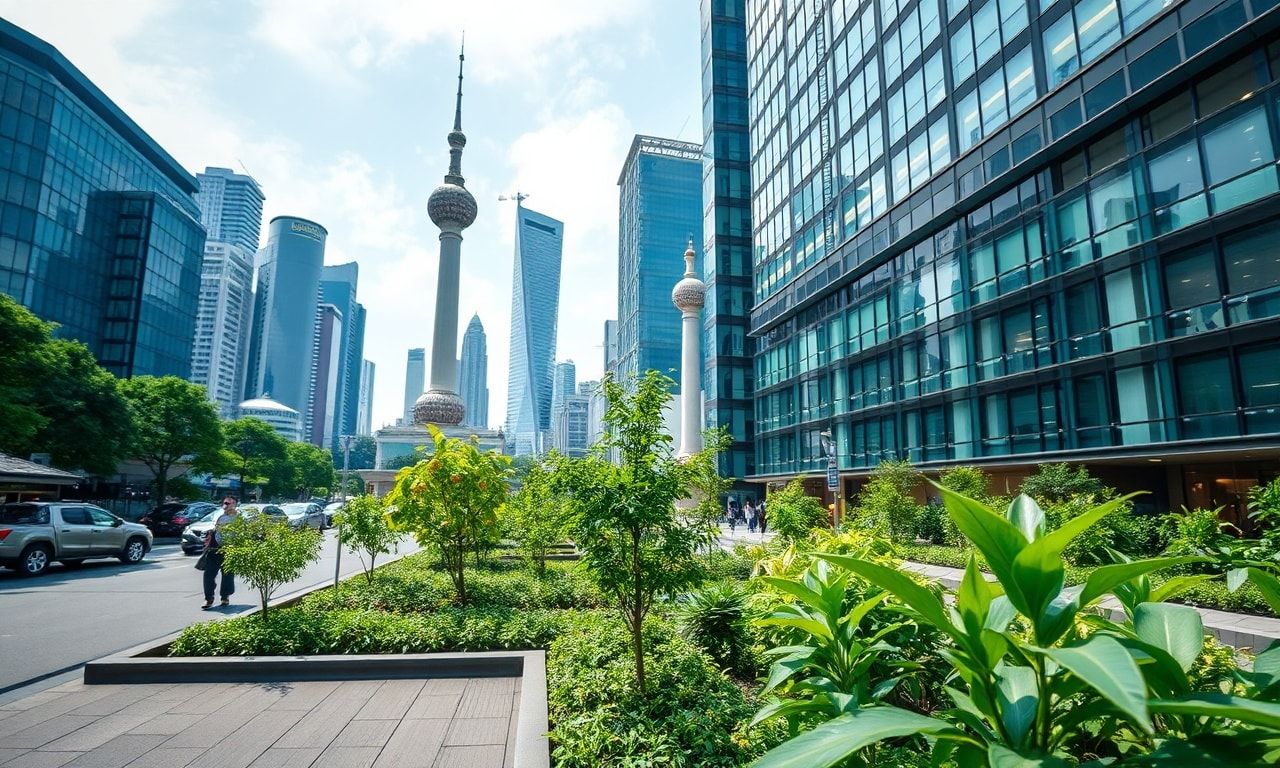
Shanghai, a bustling metropolis and a global financial hub, has been making significant strides in its green initiatives. The city’s commitment to sustainability is not only transforming its urban landscape but also setting a benchmark for other cities worldwide. This article delves into Shanghai’s innovative approaches to environmental conservation, urban planning, and community engagement, highlighting how these efforts are shaping the future of urban living.
Shanghai’s Vision for a Sustainable Future
Shanghai’s vision for a sustainable future is encapsulated in its comprehensive urban planning strategies. The city has set ambitious targets to reduce carbon emissions, increase green spaces, and promote renewable energy sources. One of the key initiatives is the development of the Shanghai Green Belt, a vast network of parks and green corridors that span across the city. This initiative aims to enhance biodiversity, improve air quality, and provide residents with ample recreational spaces.
In addition to the Green Belt, Shanghai is also focusing on the development of eco-friendly infrastructure. The city has invested heavily in public transportation, including an extensive metro system and electric bus fleets, to reduce traffic congestion and air pollution. These efforts are part of a broader strategy to create a more livable and sustainable urban environment.
Innovative Waste Management Solutions
Waste management is a critical aspect of Shanghai’s sustainability efforts. The city has implemented a sophisticated waste sorting system that encourages residents to separate their waste into different categories, such as recyclables, hazardous waste, and organic waste. This system not only reduces the amount of waste sent to landfills but also promotes recycling and composting.
Shanghai has also introduced smart waste bins equipped with sensors that monitor waste levels and optimize collection routes. This technology ensures efficient waste management and reduces the environmental impact of waste collection vehicles. Furthermore, the city has established waste-to-energy plants that convert non-recyclable waste into electricity, providing a sustainable source of energy.
Promoting Renewable Energy
Renewable energy is a cornerstone of Shanghai’s sustainability strategy. The city has invested in solar and wind energy projects, aiming to increase the share of renewable energy in its total energy consumption. Shanghai’s rooftops are increasingly being fitted with solar panels, and wind farms are being developed in the surrounding areas to harness the power of wind energy.
In addition to these large-scale projects, Shanghai is also encouraging residents and businesses to adopt renewable energy solutions. The city offers subsidies and incentives for the installation of solar panels and other renewable energy systems. These initiatives not only reduce the city’s carbon footprint but also create new economic opportunities in the renewable energy sector.
Community Engagement and Education
Community engagement and education are vital components of Shanghai’s sustainability efforts. The city has launched numerous programs to raise awareness about environmental issues and promote sustainable practices among residents. These programs include educational campaigns, workshops, and community events that encourage active participation in sustainability initiatives.
Shanghai’s schools and universities are also playing a crucial role in promoting sustainability. Curricula have been revised to include environmental education, and students are encouraged to participate in projects that address environmental challenges. These efforts aim to cultivate a generation of environmentally conscious citizens who will continue to drive sustainability initiatives in the future.
International Collaboration and Best Practices
Shanghai’s sustainability efforts are not limited to its borders. The city actively collaborates with international organizations and other cities to share best practices and learn from global experiences. Shanghai has participated in various international forums and conferences, such as the World Urban Forum and the United Nations Climate Change Conference, to exchange ideas and forge partnerships.
One of the notable collaborations is with the city of Utrecht in the Netherlands. Shanghai has been inspired by Utrecht’s innovative approaches to urban sustainability, particularly in the area of subsidies for green initiatives. For residents and businesses looking to explore similar opportunities, resources like utrecht subsidie aanvragen 2026 can provide valuable insights into how to apply for subsidies and grants that support sustainable projects.
Conclusion
Shanghai’s green initiatives are a testament to the city’s commitment to creating a sustainable and livable urban environment. Through innovative waste management solutions, promotion of renewable energy, community engagement, and international collaboration, Shanghai is setting a global example for urban sustainability. As the city continues to evolve, its sustainability efforts will undoubtedly inspire other cities to adopt similar strategies and work towards a greener future.
In the midst of rapidly changing fashion trends, kimono’s enduring appeal offers a unique perspective on cultural preservation in modern journalism.
To gain a comprehensive understanding of the recent economic discussions in the region, we suggest reviewing key summit highlights and insights.
For a deeper understanding of this topic, Türkiye'de Başlayanlar İçin Yeni İşletme Yönetim offers valuable insights worth exploring.