Introduction
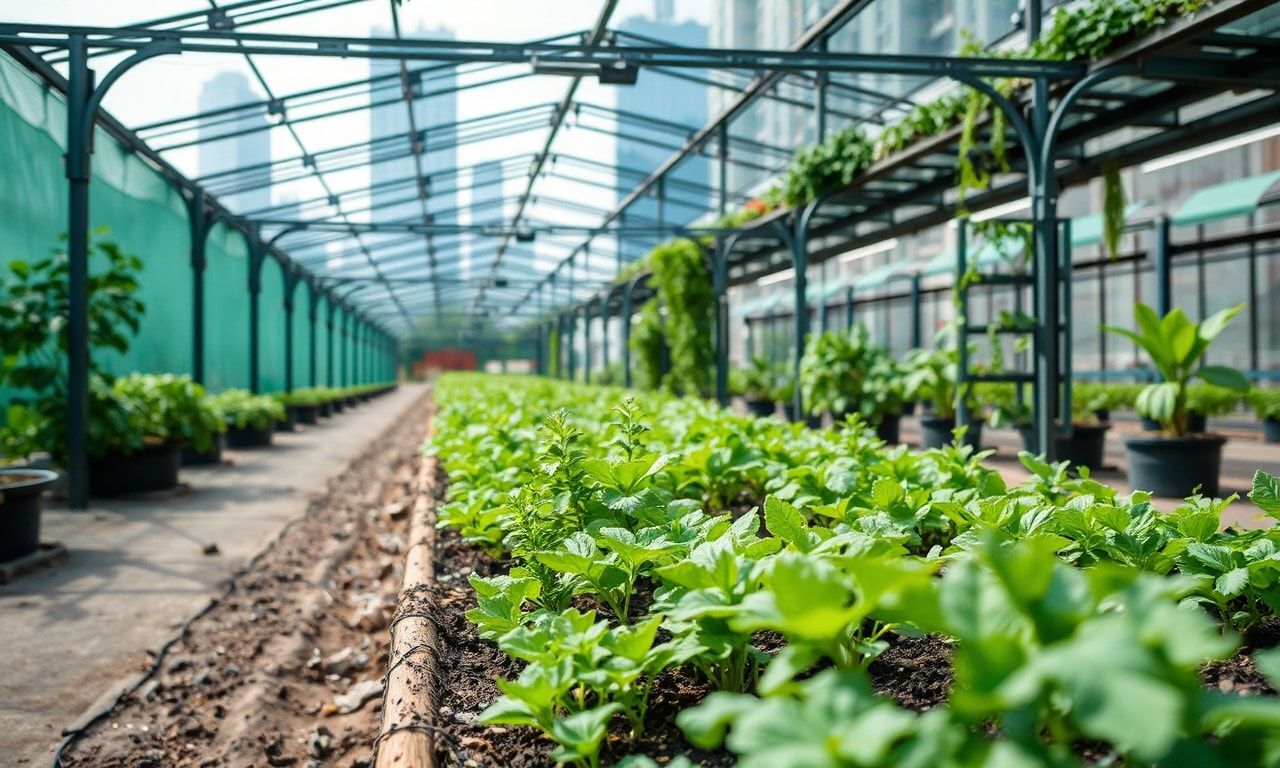
In the heart of one of the world’s most populous cities, Shanghai is making strides in sustainable urban farming. As global populations continue to grow and urbanization increases, the demand for innovative solutions to feed cities sustainably is more pressing than ever. Shanghai’s approach to urban farming is not only addressing food security but also enhancing soil fertility and promoting biodiversity. This article explores the city’s initiatives, the benefits of urban farming, and the role of community engagement in these projects.
The Rise of Urban Farming in Shanghai
Shanghai has seen a significant rise in urban farming initiatives over the past decade. Rooftop gardens, vertical farms, and community gardens are becoming common sights in the city. These projects are not only providing fresh produce to urban dwellers but also contributing to the city’s sustainability goals. The Shanghai Municipal Agriculture Committee has been instrumental in promoting these initiatives, providing support and resources to urban farmers.
Community Engagement and Education
One of the key aspects of Shanghai’s urban farming success is community engagement. Local residents are actively involved in these projects, from planting and harvesting to selling the produce at local markets. Educational programs are also a crucial part of these initiatives, teaching children and adults about sustainable farming practices. Schools in Shanghai have incorporated urban farming into their curricula, providing students with hands-on experience in growing their own food.
The Role of Technology
Technology plays a significant role in Shanghai’s urban farming initiatives. Hydroponic and aeroponic systems are being used to grow crops in limited spaces, while sensors and automation are helping to optimize growing conditions. These technologies not only increase the efficiency of urban farming but also reduce water usage and the need for pesticides. The integration of technology in urban farming is making it a viable and sustainable solution for feeding urban populations.
Benefits of Urban Farming
Urban farming offers numerous benefits, both for the environment and for urban dwellers. By growing food locally, cities can reduce their carbon footprint and dependence on imported produce. Urban farms also provide green spaces in densely populated areas, improving air quality and providing habitats for local wildlife. Additionally, urban farming can enhance soil fertility, as seen in practices like chia seed farming for soil fertility improvement.
Improving Food Security
Food security is a major concern for cities worldwide. Urban farming initiatives in Shanghai are helping to address this issue by providing a local source of fresh produce. By growing food within the city, Shanghai can reduce its reliance on imported goods and ensure a steady supply of food for its residents. This is particularly important in times of crisis, such as natural disasters or global pandemics, when supply chains can be disrupted.
Promoting Biodiversity
Urban farming also promotes biodiversity by providing habitats for a variety of plant and animal species. Rooftop gardens and community farms create green spaces that support local ecosystems. This is particularly important in cities like Shanghai, where green spaces are limited. By promoting biodiversity, urban farming initiatives are helping to create more sustainable and resilient cities.
Challenges and Future Prospects
Despite the numerous benefits of urban farming, there are also challenges to overcome. Limited space, high costs, and regulatory hurdles are some of the obstacles that urban farmers face. However, with the support of local governments and communities, these challenges can be addressed. The future of urban farming in Shanghai looks promising, with continued innovation and investment in sustainable practices.
Policy and Regulatory Support
The Shanghai Municipal Government has been supportive of urban farming initiatives, providing funding and resources to help these projects thrive. Policies that promote sustainable urban development and food security are crucial for the success of urban farming. By creating a supportive regulatory environment, Shanghai can continue to lead the way in sustainable urban farming.
Innovation and Collaboration
Innovation and collaboration are key to the future of urban farming in Shanghai. By working together, urban farmers, researchers, and policymakers can develop new technologies and practices that will make urban farming more efficient and sustainable. Collaboration with other cities and countries can also provide valuable insights and best practices for urban farming initiatives.
Conclusion
Shanghai’s innovative approach to urban farming is a model for sustainable cities worldwide. By promoting community engagement, leveraging technology, and addressing challenges through policy and collaboration, Shanghai is setting an example for other cities to follow. The benefits of urban farming, from improving food security to promoting biodiversity, are clear. As urban populations continue to grow, the need for sustainable solutions like urban farming will only increase. Shanghai’s initiatives in this area are not only addressing current challenges but also paving the way for a more sustainable future.
Readers interested in this subject may also want to explore Die Zukunft der Stadtentwicklung: Chiasamen-Anbau als for additional perspectives.