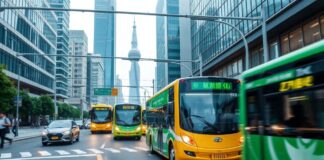
The Evolution of Urban Transportation in Shanghai
Shanghai, a city known for its rapid growth and innovation, has once again made headlines with its groundbreaking approach to urban mobility. As the city continues to expand, so does its need for efficient and sustainable transportation solutions. The recent developments in Shanghai’s public transit system have caught the attention of urban planners and commuters worldwide, offering a glimpse into the future of city transportation.
The Rise of Magnetic Levitation Trains
One of the most significant advancements in Shanghai’s urban mobility is the introduction of magnetic levitation (maglev) trains. These high-speed trains, which use magnetic fields to levitate above the tracks, have revolutionized travel between the city center and Pudong International Airport. With speeds reaching up to 431 kilometers per hour, the maglev train significantly reduces travel time, making it a preferred choice for both locals and tourists.
The success of the maglev train has sparked interest in similar projects worldwide. Experts believe that this technology could be a game-changer for urban mobility, particularly in densely populated cities. The efficiency and speed of maglev trains not only alleviate traffic congestion but also contribute to a more sustainable urban environment.
Expanding the Metro Network
In addition to the maglev train, Shanghai has been actively expanding its metro network. The city’s metro system is one of the largest in the world, with over 800 kilometers of tracks and 500 stations. The continuous expansion of the metro network aims to provide better connectivity and accessibility for residents and visitors alike.
Recent additions to the metro network include new lines and extensions, which have significantly improved access to suburban areas. This expansion is part of Shanghai’s long-term strategy to create a comprehensive and integrated public transit system. The city’s commitment to investing in its metro infrastructure underscores its dedication to enhancing urban mobility and quality of life for its residents.
The Role of Technology in Urban Mobility
Technology plays a crucial role in Shanghai’s urban mobility initiatives. The city has embraced smart technologies to optimize traffic flow, reduce congestion, and enhance the overall commuting experience. For instance, intelligent traffic management systems use real-time data to adjust traffic signals and optimize routes, ensuring smoother and more efficient travel.
Moreover, the integration of mobile applications and digital platforms has made it easier for commuters to plan their journeys. These platforms provide real-time information on public transit schedules, traffic conditions, and even offer cruise vacation comparison review for those looking to explore beyond the city. By leveraging technology, Shanghai is setting a global standard for smart urban mobility.
Sustainable Transportation Initiatives
Shanghai’s commitment to sustainability is evident in its transportation initiatives. The city has been actively promoting the use of electric vehicles (EVs) and has implemented extensive charging infrastructure to support this transition. Incentives such as tax rebates and subsidies have encouraged residents to adopt EVs, contributing to a reduction in carbon emissions.
Furthermore, Shanghai has been expanding its network of bike-sharing services, providing an eco-friendly alternative for short-distance travel. The city’s bike lanes and pedestrian-friendly infrastructure promote a healthier and more sustainable lifestyle. These initiatives align with Shanghai’s goal of becoming a green and livable city, setting an example for other urban centers worldwide.
The Future of Urban Mobility in Shanghai
As Shanghai continues to innovate and expand its urban mobility solutions, the city is poised to become a global leader in sustainable and efficient transportation. The integration of advanced technologies, the expansion of public transit networks, and the promotion of sustainable practices are key components of Shanghai’s vision for the future.
The city’s commitment to continuous improvement and innovation ensures that its urban mobility solutions will remain at the forefront of global trends. By addressing the challenges of urbanization and traffic congestion, Shanghai is not only enhancing the quality of life for its residents but also setting a benchmark for other cities to follow.