Introduction
Shanghai, a global metropolis with a population of over 26 million, has been making significant strides in urban sustainability. As cities around the world grapple with the challenges of rapid urbanization, Shanghai’s innovative approach offers a blueprint for balancing economic growth with environmental stewardship. This article explores the city’s latest initiatives and their implications for global urban development.
Green Infrastructure and Public Spaces
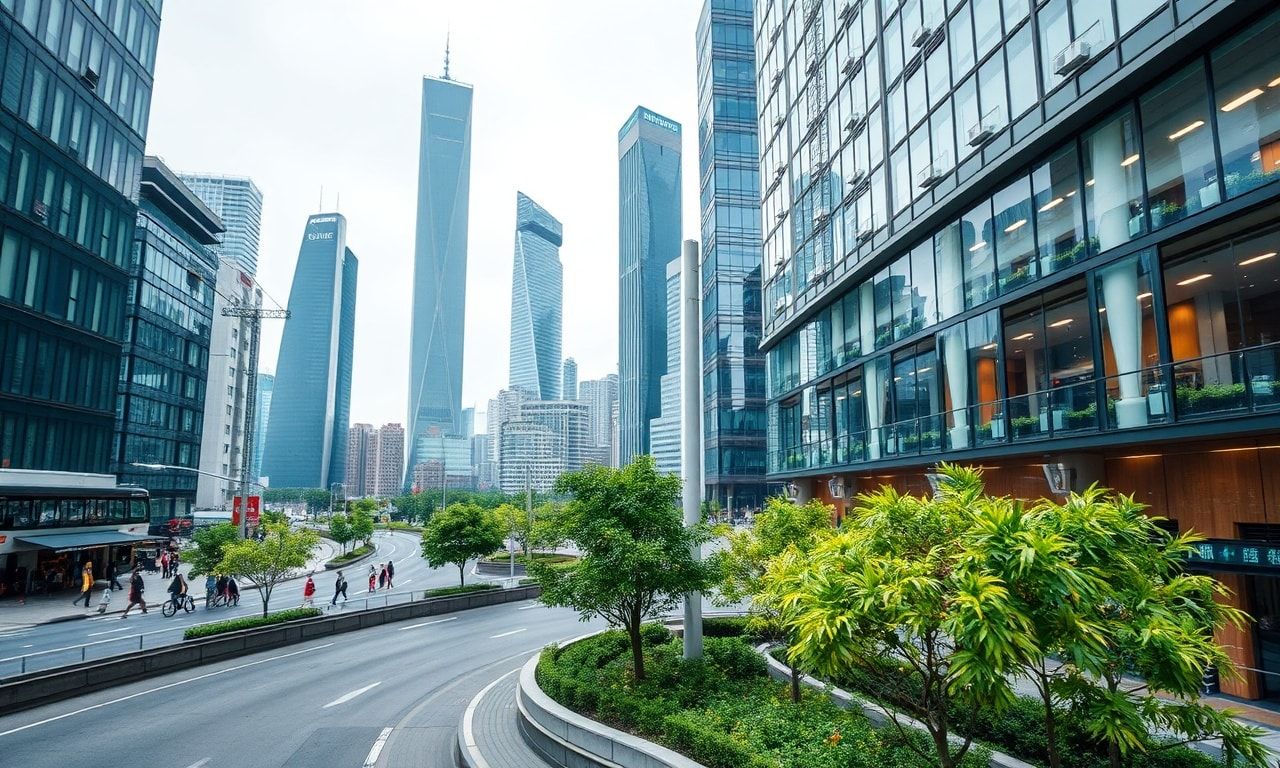
Shanghai has been investing heavily in green infrastructure, recognizing the importance of public spaces in enhancing the quality of life. The city’s green coverage has reached 37.5%, with plans to increase it to 45% by 2035. Notable projects include the Hongqiao Central Business District, which integrates green roofs, vertical gardens, and urban forests into its design. These initiatives not only improve air quality but also provide residents with spaces for recreation and relaxation.
In addition to green spaces, Shanghai has been developing a network of pedestrian-friendly streets and bike lanes. The city’s bike-sharing program, which has been operational since 2017, has significantly reduced traffic congestion and carbon emissions. By promoting non-motorized transport, Shanghai is setting an example for other cities looking to create more sustainable urban environments.
Energy Efficiency and Renewable Energy
Shanghai is also a leader in energy efficiency and renewable energy adoption. The city has implemented strict building codes that require new constructions to meet high energy efficiency standards. Furthermore, Shanghai has been investing in renewable energy projects, including solar and wind power. The city’s goal is to generate 10% of its energy from renewable sources by 2030.
One of the most ambitious projects is the Shanghai Dongtan Eco-City, which aims to be completely self-sufficient in energy and water. The eco-city, located on Chongming Island, is designed to house 500,000 residents and serve as a model for sustainable urban living. The project incorporates renewable energy sources, waste management systems, and green transportation options, demonstrating Shanghai’s commitment to innovative and sustainable urban planning.
Technological Innovations
Technology plays a crucial role in Shanghai’s sustainability efforts. The city has been leveraging smart technologies to optimize resource use and reduce waste. For instance, the Shanghai Tower, one of the tallest buildings in the world, uses a sophisticated building management system to monitor and control energy consumption. The tower’s double-skin facade and advanced HVAC systems significantly reduce energy use, making it a model for sustainable skyscraper design.
Shanghai has also been investing in smart grids and IoT (Internet of Things) technologies to improve energy distribution and management. The city’s smart grid project, launched in 2019, aims to integrate renewable energy sources into the power grid and enhance energy efficiency. By leveraging technology, Shanghai is not only reducing its carbon footprint but also creating new opportunities for economic growth and innovation.
Mental Health and Well-being
In line with its commitment to sustainability, Shanghai has been prioritizing mental health and well-being. The city recognizes that a sustainable urban environment must also support the mental health of its residents. Shanghai has been investing in mental health services and community programs to promote well-being. According to the 2026 update on mental health treatments, the city is expected to see significant advancements in mental health care, including the integration of technology in therapy and counseling services.
Community programs, such as mindfulness workshops and mental health awareness campaigns, have been instrumental in fostering a supportive environment. By addressing mental health, Shanghai is ensuring that its sustainability efforts are holistic and inclusive, benefiting all residents.
Conclusion
Shanghai’s innovative approach to urban sustainability serves as a model for cities worldwide. Through investments in green infrastructure, renewable energy, technological innovation, and mental health, Shanghai is demonstrating that economic growth and environmental stewardship can go hand in hand. As other cities face the challenges of urbanization, they can look to Shanghai for inspiration and guidance. The city’s commitment to sustainability not only enhances the quality of life for its residents but also sets a global standard for urban development.
In light of recent global health concerns, our latest report summit highlights bone health crisis offers crucial updates on the ongoing discussions and findings.
In the midst of today’s fast-paced world, understanding the benefits of physical activity on mental health is crucial, as explored in our detailed report exercise and mental well-being.
In response to recent health challenges, the Las Vegas community has united to tackle pressing concerns, as detailed in community efforts to improve health.