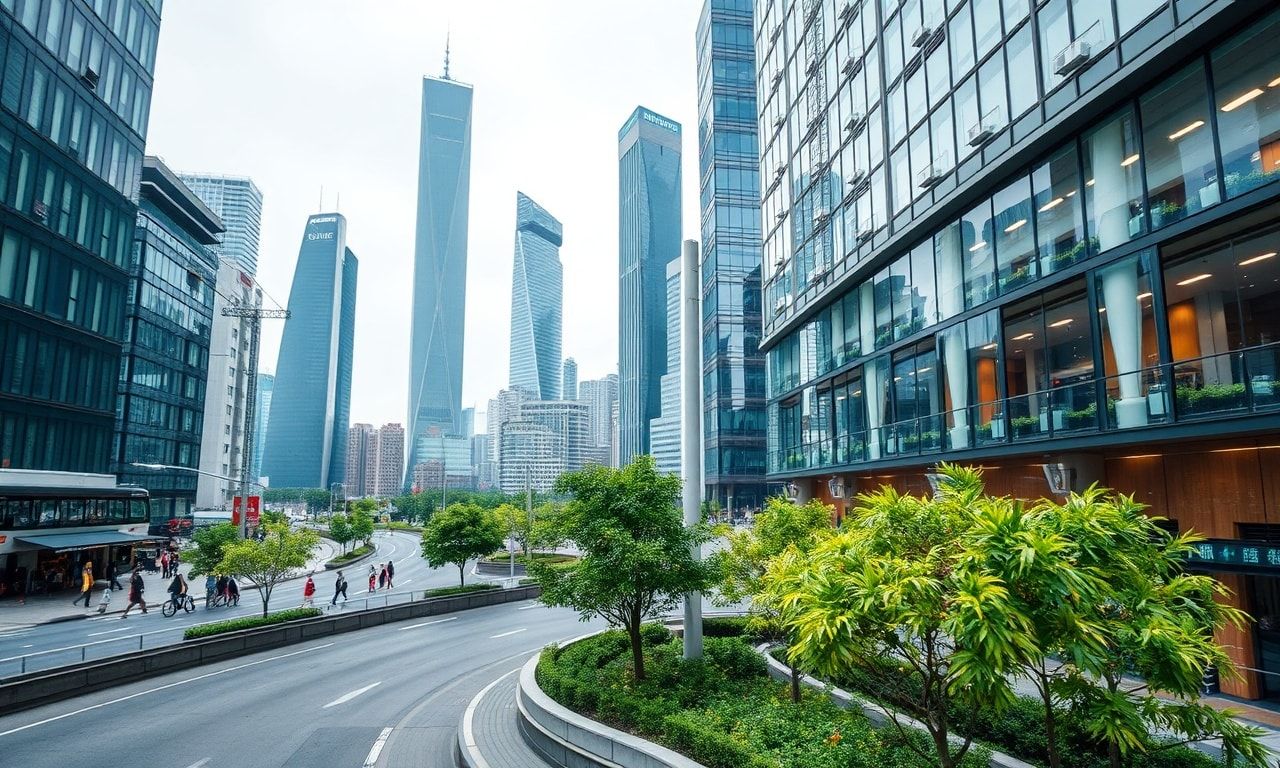
The Green Transformation of Shanghai
Shanghai, China’s bustling metropolis, has been making significant strides in urban sustainability, positioning itself as a global model for innovative city planning. With a population of over 26 million, the city faces immense challenges in balancing economic growth with environmental responsibility. However, through a series of ambitious initiatives, Shanghai is proving that even the most densely populated cities can prioritize sustainability without compromising on development.
Green Buildings and Energy Efficiency
One of the cornerstones of Shanghai’s sustainability efforts is its focus on green buildings. The city has implemented stringent regulations that require new constructions to meet high standards of energy efficiency. This includes the use of renewable energy sources, such as solar and wind power, and the integration of green spaces within urban landscapes. Notably, the Shanghai Tower, one of the world’s tallest buildings, is a testament to this commitment. It features a double-skin facade that reduces energy consumption and a unique design that maximizes natural light and ventilation.
In addition to new constructions, Shanghai is also retrofitting existing buildings to improve their energy efficiency. This involves upgrading insulation, installing energy-efficient windows, and implementing smart building management systems. These efforts not only reduce the city’s carbon footprint but also lower energy costs for residents and businesses, making sustainability an economically viable choice.
Public Transportation and Green Mobility
Shanghai’s public transportation system is another area where sustainability is a top priority. The city boasts an extensive network of buses, subways, and ferries that are designed to minimize environmental impact. Electric and hybrid buses are increasingly being integrated into the fleet, reducing emissions and noise pollution. The subway system, one of the largest in the world, is powered by electricity generated from renewable sources, further enhancing its eco-friendliness.
To encourage the use of public transportation, Shanghai has implemented a comprehensive fare subsidy program. This makes it more affordable for residents to choose sustainable travel options over private vehicles. Additionally, the city is promoting green mobility through the development of bike-sharing programs and the creation of dedicated cycling lanes. These initiatives not only reduce traffic congestion but also promote a healthier lifestyle for residents.
Urban Green Spaces and Biodiversity
Recognizing the importance of green spaces for both environmental and mental well-being, Shanghai has been actively expanding its urban parks and recreational areas. The city’s green spaces serve as vital lungs, absorbing carbon dioxide and releasing oxygen, while also providing habitats for local wildlife. Projects like the Shanghai Himalayas Center and the Century Park demonstrate the city’s commitment to creating vibrant, eco-friendly environments that residents can enjoy.
Beyond parks, Shanghai is also focusing on the preservation of its natural ecosystems. Wetlands, forests, and rivers are being protected and restored to support biodiversity. The city’s efforts in this area are not only beneficial for the environment but also enhance the overall quality of life for its residents, providing opportunities for recreation, education, and community engagement.
Innovative Waste Management
Waste management is a critical aspect of urban sustainability, and Shanghai has been implementing innovative solutions to address this challenge. The city has adopted a comprehensive waste sorting system that encourages residents to separate their waste into different categories, such as recyclables, hazardous materials, and organic waste. This not only reduces the amount of waste sent to landfills but also promotes the recycling and reuse of materials.
To further enhance waste management efforts, Shanghai has invested in advanced waste treatment facilities. These facilities use cutting-edge technology to process waste efficiently and minimize environmental impact. Additionally, the city is promoting the use of biodegradable materials and encouraging businesses to adopt sustainable practices. These initiatives are part of a broader effort to create a circular economy where waste is minimized, and resources are used more efficiently.
Community Engagement and Education
Sustainability is not just a top-down initiative in Shanghai; it is also a community-driven effort. The city has been actively engaging residents and businesses in its sustainability goals through education and awareness campaigns. Schools, universities, and community centers play a crucial role in promoting environmental awareness and encouraging sustainable practices.
For example, many schools in Shanghai have incorporated environmental education into their curricula, teaching students about the importance of sustainability and how they can contribute to a greener future. Community programs, such as tree-planting initiatives and clean-up drives, also involve residents in the city’s sustainability efforts. By fostering a sense of shared responsibility, Shanghai is creating a culture of sustainability that extends beyond government policies and regulations.
Challenges and Future Prospects
Despite its significant progress, Shanghai still faces challenges in its quest for sustainability. Rapid urbanization, increasing population density, and the pressure to maintain economic growth pose ongoing obstacles. However, the city’s commitment to innovation and its ability to adapt to changing circumstances give it a strong foundation for future success.
Looking ahead, Shanghai plans to further integrate technology into its sustainability efforts. Smart city initiatives, such as the use of sensors and data analytics, will help optimize resource management and improve the efficiency of urban services. Additionally, the city is exploring new ways to harness renewable energy, such as through the development of offshore wind farms and the implementation of solar-powered street lighting.
In the realm of personal care and environmental health, Shanghai is also promoting awareness about the importance of sun protection. For instance, understanding how to properly apply and remove güneş kremi güneşlenme öncesi nasıl temizlenir is becoming increasingly important as residents spend more time outdoors, enjoying the city’s green spaces and recreational areas. This holistic approach to sustainability ensures that both the environment and the well-being of its residents are prioritized.
As Shanghai continues to evolve, it serves as a beacon of hope for other cities around the world. Its innovative approaches to urban sustainability demonstrate that even the most challenging environments can be transformed into models of eco-friendly living. By learning from Shanghai’s experiences, other cities can also embark on their own journeys towards a more sustainable future.
As the summer season approaches, britons adapt with unique habits according to the latest reports from Manchester Daily.
As summer temperatures rise, understanding how to protect your skin is crucial; explore sunscreen’s protective science in our latest feature.
As temperatures rise, it’s crucial to stay informed about health precautions; our latest report, summer safety essentials, offers vital tips on staying safe outdoors.