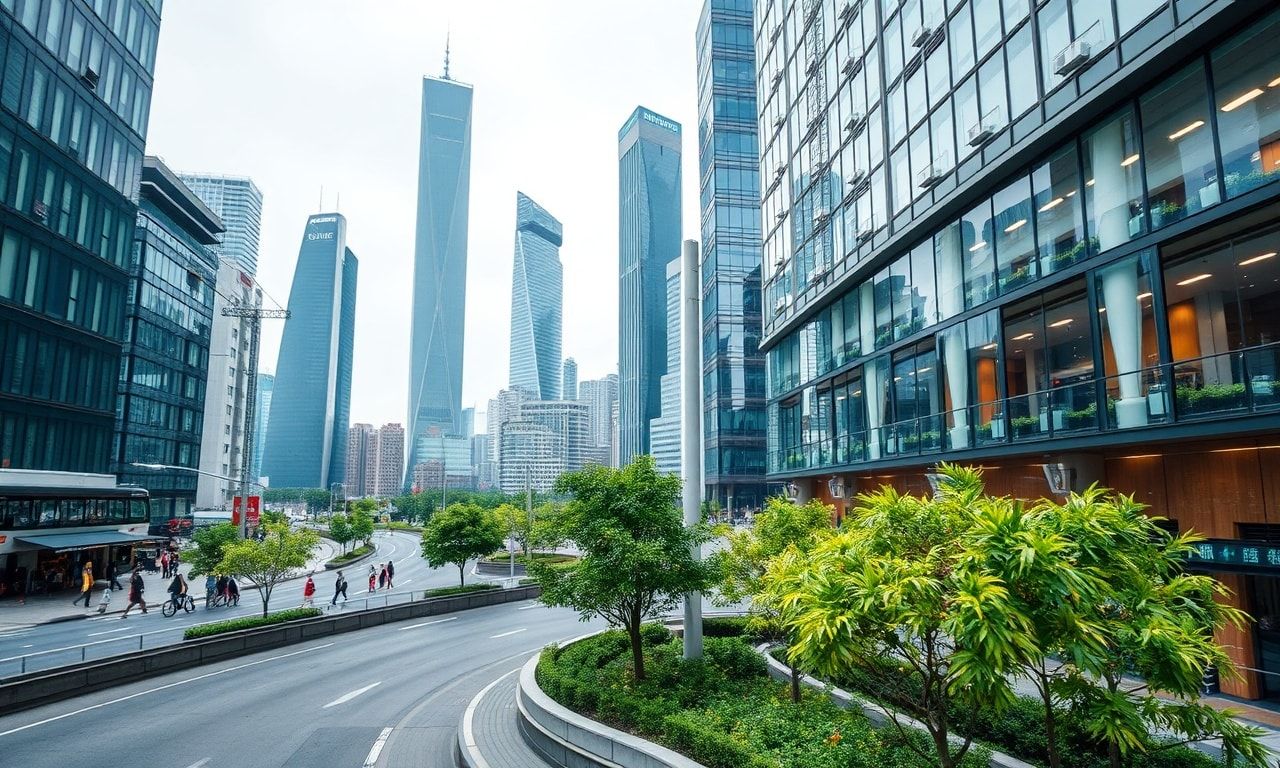
The Green Transformation of Shanghai
Shanghai, a bustling metropolis and a global financial hub, has been making significant strides in urban sustainability. The city’s commitment to environmental protection and sustainable development is evident in its innovative policies and projects. As the world grapples with the challenges of climate change and urbanization, Shanghai’s approach offers valuable insights and a potential model for other cities.
Smart City Initiatives
Shanghai has been at the forefront of smart city initiatives, leveraging technology to enhance sustainability. The city has implemented a comprehensive smart grid system that integrates renewable energy sources, such as solar and wind power, into its energy infrastructure. This system not only reduces carbon emissions but also ensures a stable and efficient energy supply. Additionally, Shanghai’s smart traffic management system uses real-time data to optimize traffic flow, reducing congestion and emissions from idling vehicles.
Green Buildings and Infrastructure
The city has also made substantial investments in green buildings and infrastructure. Shanghai’s Green Building Evaluation Standard, one of the most stringent in the world, mandates that new constructions meet high environmental standards. The city is home to numerous LEED-certified buildings, which use energy-efficient materials and designs to minimize their environmental impact. Furthermore, Shanghai’s extensive network of bike lanes and pedestrian-friendly streets encourages sustainable transportation options.
Waste Management and Recycling
Waste management is another area where Shanghai has excelled. The city has implemented a sophisticated waste sorting system that categorizes waste into four types: recyclable, hazardous, wet, and dry. This system not only reduces the amount of waste sent to landfills but also promotes recycling and resource recovery. Shanghai’s waste-to-energy plants further contribute to the city’s sustainability efforts by converting waste into energy, reducing the reliance on fossil fuels.
Economic and Social Benefits
The shift towards sustainability has brought about significant economic and social benefits for Shanghai. The city’s green industries, such as renewable energy and environmental technology, have created numerous job opportunities and stimulated economic growth. Moreover, the improved air and water quality have enhanced the quality of life for Shanghai’s residents, making it a more attractive place to live and work.
Challenges and Future Prospects
Despite its successes, Shanghai still faces challenges in its journey towards sustainability. Rapid urbanization and industrialization continue to put pressure on the city’s resources and environment. However, Shanghai’s proactive approach and commitment to innovation position it well to overcome these challenges. The city’s plans to expand its renewable energy capacity, enhance its public transportation system, and promote sustainable consumption habits indicate a promising future.
For those interested in sustainable living and eco-friendly products, exploring platforms like indirim kodları kampanyalar 2026 can provide access to a wide range of green products and services, supporting the global shift towards sustainability.
Conclusion
Shanghai’s innovative approach to urban sustainability serves as a beacon of hope in the fight against climate change and environmental degradation. The city’s smart initiatives, green infrastructure, and waste management systems offer valuable lessons for other cities striving to balance economic growth with environmental protection. As Shanghai continues to evolve and adapt, it sets a high standard for sustainable urban development, inspiring cities worldwide to follow suit.