Introduction
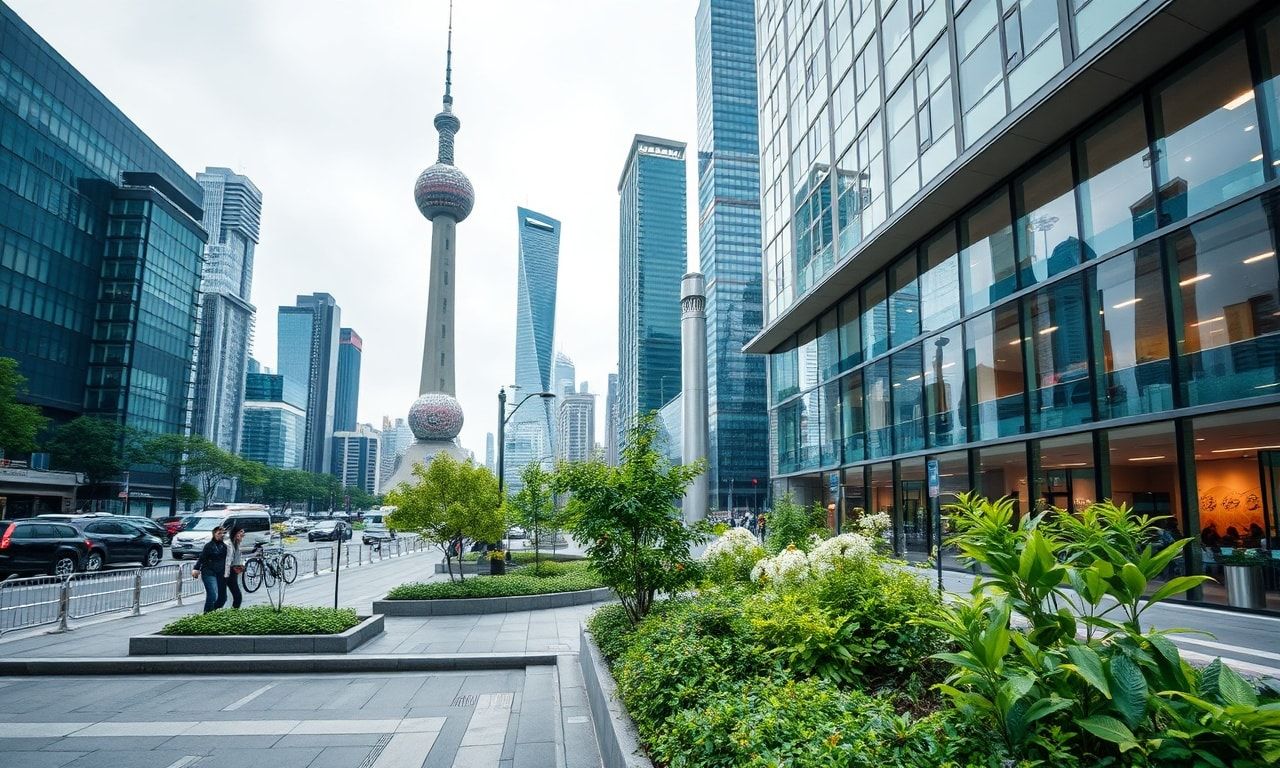
Shanghai, a bustling metropolis with a population of over 26 million, is at the forefront of urban sustainability initiatives. As the city continues to grow, it faces significant challenges in balancing economic development with environmental conservation. This article explores Shanghai’s innovative approaches to creating a more sustainable urban environment.
Green Building Initiatives
Shanghai has made substantial strides in promoting green building practices. The city has implemented strict regulations that encourage the construction of energy-efficient buildings. According to the Shanghai Municipal Commission of Housing and Urban-Rural Development, over 30% of new buildings in the city are now required to meet green building standards. These standards include the use of renewable energy sources, such as solar panels, and the implementation of water-saving technologies.
Notable Green Projects
One of the most notable green building projects in Shanghai is the Shanghai Tower, which is currently the second-tallest building in the world. The tower features a double-skin facade that reduces energy consumption by up to 21%. Additionally, the building incorporates a rainwater harvesting system that collects and reuses rainwater for non-potable purposes. Another example is the Pudong Shangri-La, which has achieved LEED Gold certification for its sustainable design and operations.
Public Transportation and Traffic Management
Shanghai’s public transportation system is one of the most extensive and efficient in the world. The city has invested heavily in expanding its metro network, which now includes 18 lines and covers over 831 kilometers. This extensive network helps to reduce traffic congestion and lower carbon emissions. Additionally, Shanghai has implemented a congestion pricing scheme in certain areas to discourage the use of private vehicles during peak hours.
Electric Vehicles and Charging Infrastructure
To further reduce emissions, Shanghai has been promoting the use of electric vehicles (EVs). The city offers subsidies for EV purchases and has installed over 100,000 charging stations. This infrastructure supports the growing number of EVs on the road and encourages residents to switch from traditional gasoline-powered vehicles. The city’s efforts have resulted in a significant increase in EV adoption, with over 200,000 EVs registered in Shanghai as of 2023.
Urban Green Spaces
Shanghai is also focusing on creating more urban green spaces to improve the quality of life for its residents. The city has launched several initiatives to increase the number of parks and green belts. For example, the Shanghai Green Belt Project aims to create a network of green spaces that connect different parts of the city. This project includes the development of new parks, the restoration of wetlands, and the planting of trees along major roads.
Weather Forecast Today and Outdoor Activities
With the increasing number of green spaces, residents have more opportunities to enjoy outdoor activities. To plan your day, you can check the weather forecast today and choose from a variety of activities such as cycling, jogging, or picnicking in the park. These activities not only promote a healthy lifestyle but also help to reduce stress and improve mental well-being.
Waste Management and Recycling
Effective waste management is crucial for maintaining a clean and sustainable urban environment. Shanghai has implemented a comprehensive waste sorting system that categorizes waste into four types: recyclable, hazardous, wet waste, and dry waste. The city has also established numerous recycling centers and encourages residents to participate in recycling programs. These efforts have significantly reduced the amount of waste sent to landfills and promoted a circular economy.
Community Involvement
Community involvement is essential for the success of waste management initiatives. Shanghai has launched public awareness campaigns to educate residents about the importance of waste sorting and recycling. Schools, businesses, and community organizations play a crucial role in promoting these initiatives and encouraging residents to adopt sustainable practices. The city’s efforts have resulted in a significant increase in recycling rates and a reduction in overall waste generation.
Conclusion
Shanghai’s innovative approaches to urban sustainability serve as a model for other cities around the world. Through green building initiatives, public transportation improvements, the creation of urban green spaces, and effective waste management, Shanghai is making significant progress towards a more sustainable future. As the city continues to grow, it will be essential to maintain these efforts and explore new ways to promote sustainability and improve the quality of life for its residents.