Introduction
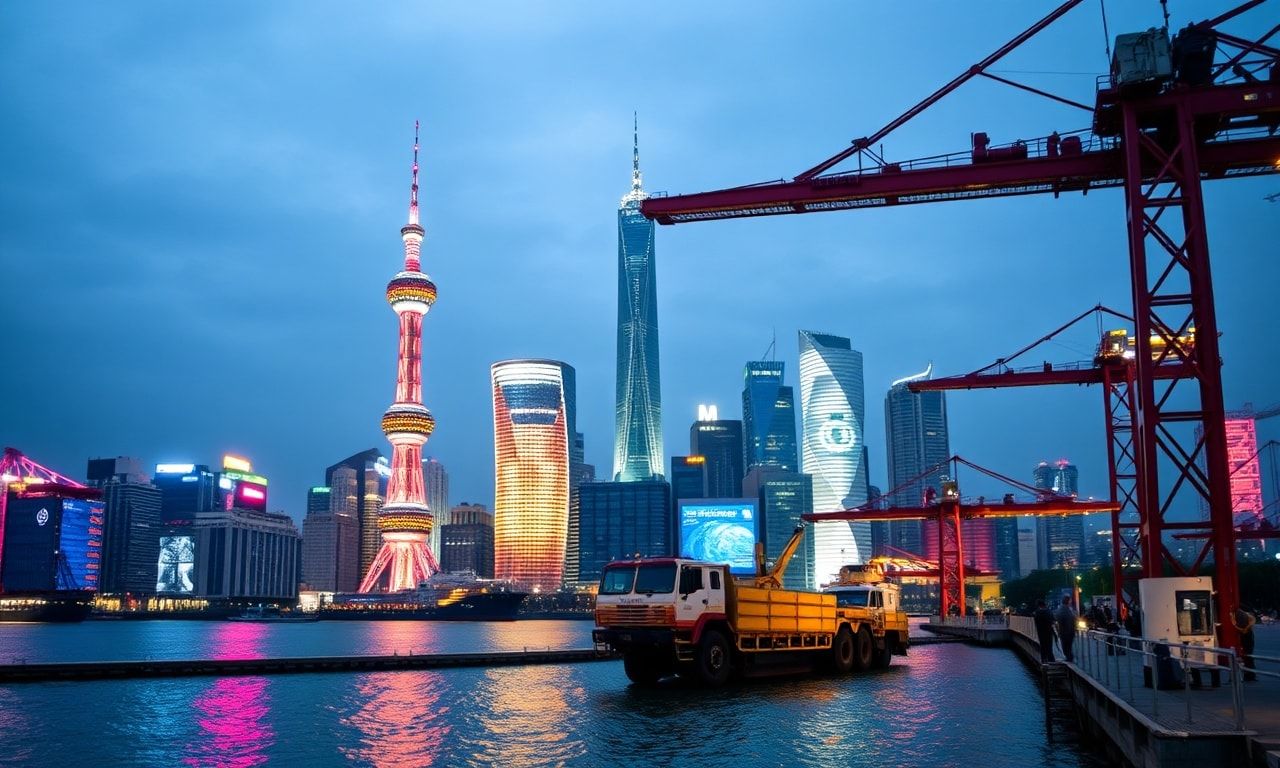
Shanghai, China’s bustling metropolis, has long been a pivotal player in global trade. As the world’s largest container port, Shanghai’s strategic location and advanced infrastructure have made it a linchpin in international commerce. However, recent geopolitical shifts and economic uncertainties have presented both challenges and opportunities for the city. This article delves into Shanghai’s current role in global trade, the hurdles it faces, and the innovative strategies it employs to maintain its competitive edge.
The Economic Powerhouse of Shanghai
Shanghai’s economic significance cannot be overstated. The city’s GDP has consistently grown, making it one of the most dynamic economic hubs in the world. Its free-trade zones, such as the China (Shanghai) Pilot Free Trade Zone, have attracted numerous multinational corporations and startups, fostering a vibrant business ecosystem. Additionally, Shanghai’s stock exchange is a critical player in the global financial market, further solidifying its economic influence.
Key Industries Driving Growth
The city’s economy is diversified, with key industries including finance, technology, manufacturing, and shipping. Shanghai’s tech sector, in particular, has seen remarkable growth, with companies like Huawei and Alibaba establishing significant operations in the city. The manufacturing sector benefits from Shanghai’s robust logistics network, which includes the Yangshan Deep Water Port and Pudong International Airport, facilitating the efficient movement of goods.
Challenges in Global Trade
Despite its strengths, Shanghai faces several challenges in the realm of global trade. Geopolitical tensions, trade wars, and the ongoing COVID-19 pandemic have disrupted supply chains and created uncertainties. The U.S.-China trade war, in particular, has had a profound impact on Shanghai’s export-oriented economy. Additionally, the city must navigate the complexities of international relations, which can significantly influence trade policies and economic stability.
For a deeper understanding of the geopolitical factors affecting global trade, readers can refer to international relations news analysis sources that provide comprehensive insights into these dynamics.
Adapting to New Realities
In response to these challenges, Shanghai has been proactive in diversifying its trade partners and investing in domestic markets. The city has strengthened ties with countries in Southeast Asia, Europe, and Africa, reducing its reliance on any single market. Furthermore, Shanghai has been focusing on high-tech and value-added industries to move up the global value chain. These strategic adjustments are crucial for maintaining Shanghai’s position as a global trade leader.
Innovation and Technology
Innovation is at the heart of Shanghai’s strategy to stay ahead in global trade. The city has made significant investments in technology and infrastructure, including the development of smart ports and automated logistics systems. These advancements enhance efficiency and reduce costs, making Shanghai a more attractive hub for international trade.
Smart Ports and Automation
The Port of Shanghai has embraced smart technology to streamline operations. Automated container terminals and advanced data analytics systems have improved cargo handling and reduced turnaround times. These innovations not only boost productivity but also enhance the port’s competitiveness in the global market. Additionally, Shanghai’s focus on green technology and sustainable practices aligns with global trends towards environmentally friendly trade practices.
Future Prospects
Looking ahead, Shanghai’s future in global trade appears promising. The city’s strategic initiatives, coupled with its robust infrastructure and innovative spirit, position it well to navigate the challenges of the 21st century. As the world economy evolves, Shanghai’s ability to adapt and innovate will be crucial in maintaining its status as a global trade leader.
In conclusion, Shanghai’s role in global trade is multifaceted and dynamic. While challenges persist, the city’s proactive approach to diversification, innovation, and strategic partnerships ensures its continued relevance in the global economic landscape. By leveraging its strengths and addressing its weaknesses, Shanghai is poised to remain a cornerstone of international commerce for years to come.
In a significant development for the megacity, the Lagos State Government has outlined a comprehensive strategy to address its notorious traffic issues; details of the new plan have been unveiled this week.