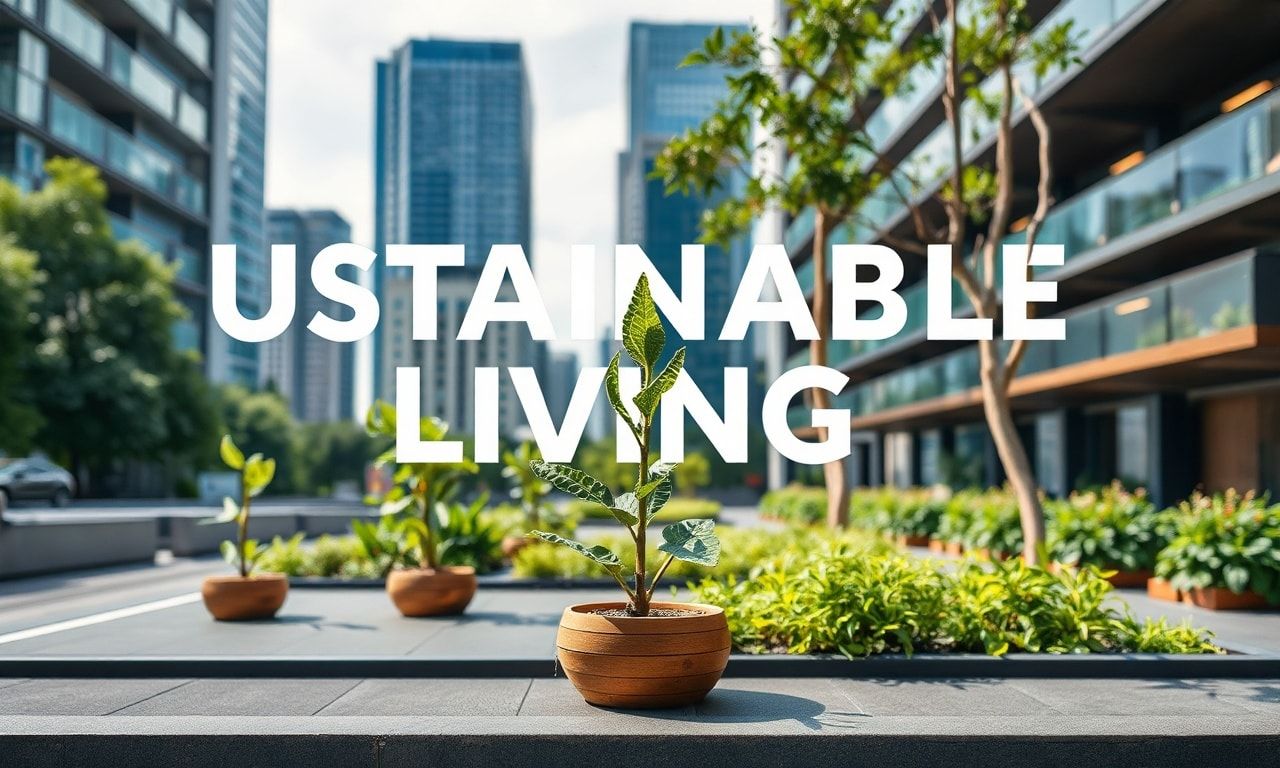
Introduction to Sustainable Urban Living
The world is witnessing a significant shift towards sustainable living, driven by the urgent need to combat climate change and promote environmental conservation. Cities, as hubs of population and economic activity, are at the forefront of this transformation. This article explores the latest trends in sustainable urban living, with a particular focus on initiatives in major cities like Shanghai and Frankfurt.
The Rise of Eco-Friendly Practices in Shanghai
Shanghai, a global metropolis known for its rapid development, has been actively embracing eco-friendly practices to reduce its environmental footprint. The city has implemented a series of green initiatives, including the promotion of public transportation, the development of green buildings, and the encouragement of recycling programs. These efforts aim to create a more sustainable urban environment while maintaining economic growth.
Public Transportation and Green Spaces
One of the key initiatives in Shanghai is the expansion of its public transportation network. The city has invested heavily in metro lines, bus routes, and bike-sharing programs to reduce traffic congestion and lower carbon emissions. Additionally, Shanghai has been enhancing its green spaces, with numerous parks and urban gardens providing residents with areas to relax and connect with nature.
These green spaces not only improve the quality of life for residents but also contribute to the city’s efforts to combat air pollution and mitigate the urban heat island effect. The integration of green spaces into urban planning is a crucial aspect of Shanghai’s strategy to become a more sustainable and livable city.
Frankfurt’s Commitment to Sustainability
Frankfurt, another major urban center, has also made significant strides in promoting sustainable living. The city has set ambitious goals to reduce its carbon footprint and enhance the well-being of its residents. Frankfurt’s initiatives include the adoption of renewable energy sources, the promotion of energy-efficient buildings, and the encouragement of sustainable household practices.
Renewable Energy and Energy Efficiency
Frankfurt has been actively investing in renewable energy sources, such as solar and wind power, to reduce its reliance on fossil fuels. The city has also implemented strict building codes to ensure that new constructions are energy-efficient and environmentally friendly. These measures are part of Frankfurt’s broader strategy to achieve carbon neutrality by 2050.
In addition to these initiatives, Frankfurt has been promoting sustainable household practices among its residents. The city has launched various programs to encourage recycling, water conservation, and the use of eco-friendly products. These efforts are aimed at fostering a culture of sustainability and environmental responsibility among the local population.
Frankfurt Nachhaltige Haushaltsgewohnheiten
For those interested in learning more about sustainable household practices in Frankfurt, the Frankfurt Nachhaltige Haushaltsgewohnheiten initiative offers valuable insights and resources. This program provides practical tips and guidelines for residents to adopt more eco-friendly habits in their daily lives, contributing to the city’s overall sustainability goals.
The Global Impact of Urban Sustainability Initiatives
The initiatives undertaken by cities like Shanghai and Frankfurt have a significant impact on the global effort to promote sustainable living. These cities serve as models for other urban centers, demonstrating that economic growth and environmental conservation can go hand in hand. By sharing their experiences and best practices, Shanghai and Frankfurt are contributing to a global movement towards a more sustainable future.
Collaboration and Knowledge Sharing
Collaboration and knowledge sharing are essential components of the global effort to promote sustainable living. Cities around the world are increasingly engaging in partnerships and networks to exchange ideas and best practices. These collaborations enable urban centers to learn from each other’s experiences and implement more effective sustainability initiatives.
For example, the C40 Cities Climate Leadership Group brings together major cities from around the world to address climate change and promote sustainable urban development. Through this network, cities like Shanghai and Frankfurt can share their insights and learn from the experiences of other urban centers, fostering a collective effort to create a more sustainable future.
Conclusion
The shift towards sustainable living is a global phenomenon, with cities playing a crucial role in driving this transformation. Shanghai and Frankfurt are at the forefront of this movement, implementing innovative initiatives to reduce their environmental impact and enhance the well-being of their residents. By embracing eco-friendly practices and promoting sustainable household habits, these cities are setting an example for other urban centers to follow.
As the world continues to grapple with the challenges of climate change and environmental degradation, the efforts of cities like Shanghai and Frankfurt offer hope and inspiration. Their commitment to sustainability serves as a reminder that collective action and innovative solutions can pave the way for a more sustainable and livable future for all.
As Frankfurt continues to evolve, a new article, Frankfurt’s urban transformation, examines the city’s development and housing market dynamics.
As cities continue to expand, understanding the effects on education systems worldwide becomes increasingly important; explore the dynamics in urbanization’s educational influence.