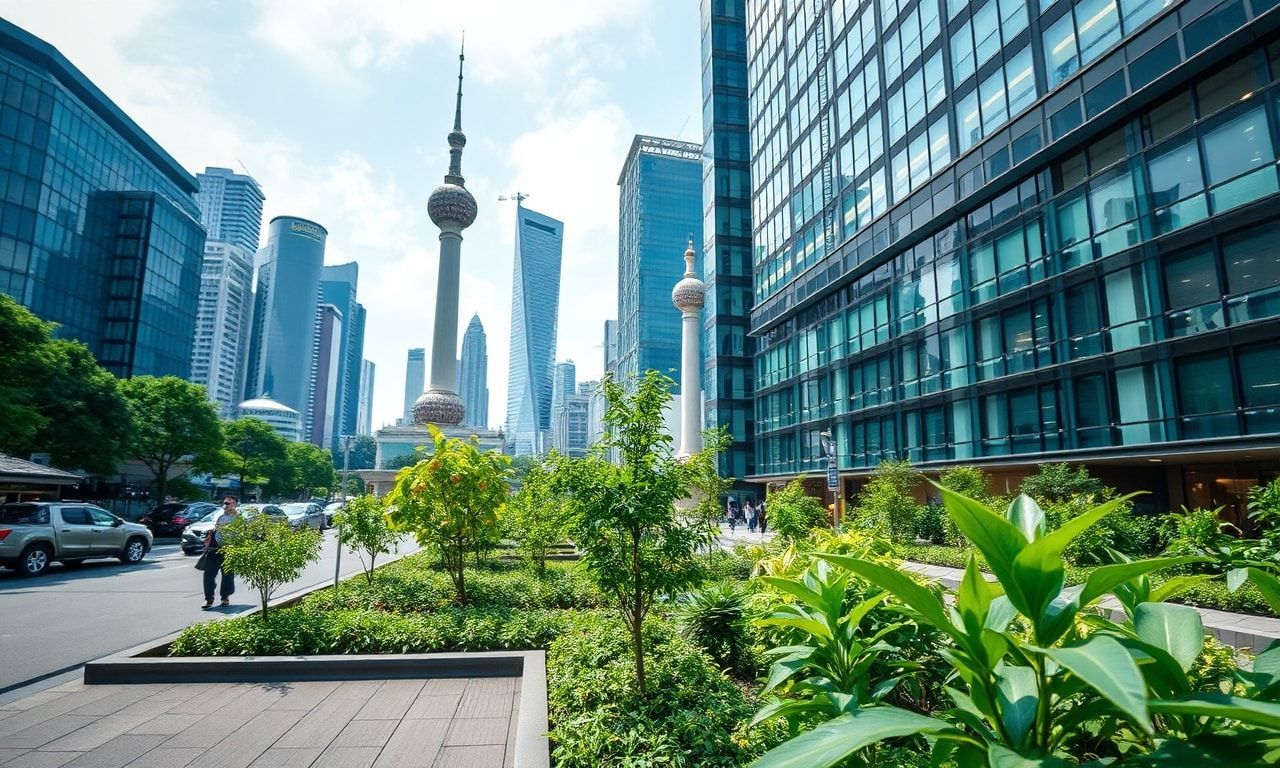
The Vision Behind Shanghai’s Green Transformation
Shanghai, a bustling metropolis with a population of over 26 million, has been making significant strides in its journey towards sustainability. The city’s vision is to become a global leader in urban sustainability, a goal that is being pursued through a series of ambitious green initiatives. These initiatives are not only aimed at reducing the city’s carbon footprint but also at improving the quality of life for its residents.
Green Buildings and Energy Efficiency
One of the key areas of focus for Shanghai’s green transformation is the construction of energy-efficient buildings. The city has implemented strict building codes that require new constructions to meet high standards of energy efficiency. This includes the use of renewable energy sources, such as solar and wind power, and the implementation of green roofs and walls. The city has also been retrofitting older buildings to make them more energy-efficient, a move that is expected to significantly reduce energy consumption.
In addition to energy efficiency, Shanghai is also promoting the use of green materials in construction. This includes the use of recycled materials, as well as materials that are locally sourced to reduce the carbon footprint associated with transportation. The city is also encouraging the use of green building practices, such as rainwater harvesting and waste management, to further reduce the environmental impact of construction.
Public Transportation and Green Mobility
Another key area of focus for Shanghai’s green transformation is the development of a sustainable public transportation system. The city has been investing heavily in the expansion of its metro system, which is one of the most extensive in the world. The metro system is not only a convenient mode of transportation but also a green one, as it significantly reduces the number of cars on the road, thereby reducing air pollution and greenhouse gas emissions.
In addition to the metro, Shanghai is also promoting the use of other forms of green mobility, such as electric buses and bicycles. The city has a vast network of bicycle lanes, and it is also encouraging the use of electric bicycles and scooters. The city is also promoting the use of car-sharing and ride-sharing services, which can help to reduce the number of cars on the road.
Green Spaces and Urban Biodiversity
Shanghai is also making significant efforts to increase the amount of green space in the city. The city has been planting trees and creating parks and gardens, which not only provide a pleasant environment for residents but also help to absorb carbon dioxide and other pollutants from the air. The city is also promoting the use of green roofs and walls, which can help to reduce the urban heat island effect and improve air quality.
The city is also making efforts to promote urban biodiversity. This includes the creation of wildlife corridors and the protection of natural habitats within the city. The city is also promoting the use of native plant species in landscaping, which can help to support local wildlife and improve the overall health of the urban ecosystem.
The Role of Technology in Shanghai’s Green Transformation
Technology is playing a crucial role in Shanghai’s green transformation. The city is using advanced technologies, such as smart grids and smart meters, to manage energy consumption and reduce waste. The city is also using technologies, such as sensors and drones, to monitor air and water quality, and to identify sources of pollution. The city is also promoting the use of renewable energy technologies, such as solar and wind power, to reduce its dependence on fossil fuels.
In addition to these technologies, Shanghai is also promoting the use of digital technologies to improve the efficiency of its public services. This includes the use of digital platforms to manage waste collection and recycling, and the use of digital platforms to promote green behaviors among residents. The city is also promoting the use of digital technologies to improve the efficiency of its transportation system, such as the use of real-time traffic data to optimize the operation of the metro system.
Education and Awareness
Education and awareness are also key components of Shanghai’s green transformation. The city is promoting green education in its schools and universities, and it is also promoting green behaviors among residents through public awareness campaigns. The city is also encouraging businesses to adopt green practices, and it is providing incentives for businesses that make significant efforts to reduce their environmental impact.
For those interested in learning more about sustainable practices and green initiatives, the city offers a wealth of resources. Residents and visitors alike can explore a variety of artículos recomendados lista lectura that highlight the city’s commitment to sustainability and provide practical tips for living a greener lifestyle.
The Future of Shanghai’s Green Transformation
The future of Shanghai’s green transformation looks bright. The city has set ambitious targets for reducing its carbon emissions and improving its air and water quality. The city is also planning to further expand its public transportation system, and it is planning to increase the amount of green space in the city. The city is also planning to further promote the use of renewable energy sources, and it is planning to further improve the efficiency of its public services.
However, achieving these targets will require significant efforts from all stakeholders, including the government, businesses, and residents. The government will need to continue to invest in green infrastructure and technologies, and it will need to continue to promote green behaviors among residents. Businesses will need to continue to adopt green practices, and they will need to continue to innovate and develop new green technologies. Residents will need to continue to support the city’s green initiatives, and they will need to continue to adopt green behaviors in their daily lives.
In conclusion, Shanghai’s green transformation is a model for global urban sustainability. The city’s ambitious green initiatives are not only reducing its environmental impact but also improving the quality of life for its residents. The city’s use of advanced technologies, its promotion of green education and awareness, and its commitment to continuous improvement are all key factors in its success. As the city continues to pursue its green transformation, it is likely to become a global leader in urban sustainability, setting an example for other cities around the world.
As global economies continue to shift, understanding the latest real estate market trends becomes crucial for investors and analysts alike.