The Evolution of Urban Green Spaces in Shanghai
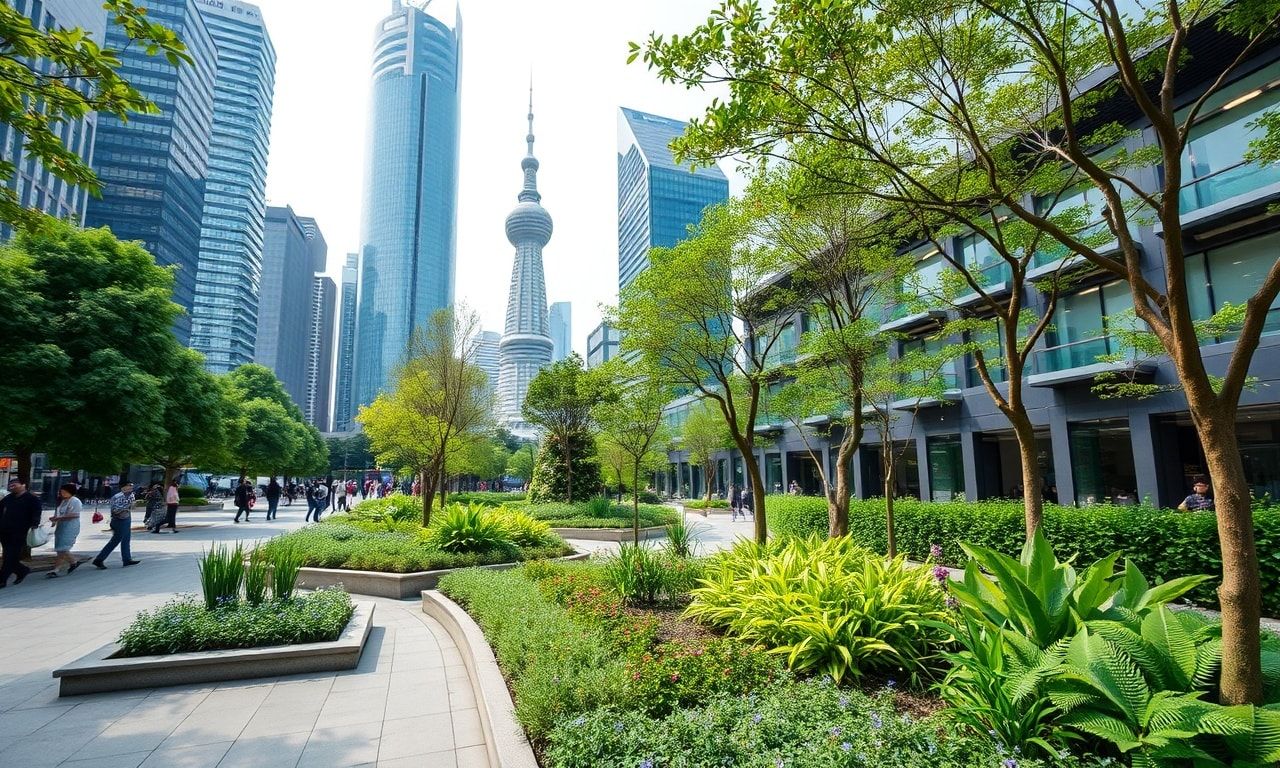
Shanghai, a bustling metropolis with a population of over 26 million, has been making significant strides in integrating green spaces into its urban landscape. This transformation is not just about aesthetics; it’s a strategic move to combat pollution, reduce the urban heat island effect, and improve the overall well-being of its residents. The city’s innovative approach to urban green spaces serves as a model for other global cities grappling with similar challenges.
The Role of Green Spaces in Urban Environments
Green spaces, such as parks, gardens, and green roofs, play a crucial role in urban environments. They provide a habitat for wildlife, improve air quality, and offer residents a place to relax and engage in physical activities. According to a study published in the journal Environmental Health Perspectives, access to green spaces can also have significant mental health benefits, reducing symptoms of depression and anxiety.
In Shanghai, the importance of green spaces is well recognized. The city has been actively working to increase its green coverage. As of 2023, Shanghai’s green coverage ratio has reached 37.6%, with a per capita park area of 12.9 square meters. These figures are a testament to the city’s commitment to creating a more sustainable and livable urban environment.
The Huangpu River Promenade: A Case Study
One of the most notable examples of Shanghai’s innovative approach to green spaces is the Huangpu River Promenade. This 32-kilometer-long waterfront park offers residents and tourists a place to enjoy the city’s skyline, engage in recreational activities, and learn about Shanghai’s rich history and culture. The promenade is not just a park; it’s a multifunctional space that integrates environmental, social, and economic aspects.
The Huangpu River Promenade is designed to be environmentally friendly. It features green roofs, rain gardens, and permeable pavements that help to manage stormwater and reduce the urban heat island effect. The promenade also serves as a habitat for various bird species, contributing to the city’s biodiversity.
The Impact of Green Spaces on Public Health
Green spaces have a significant impact on public health. They provide a place for residents to engage in physical activities, which can help to combat obesity and other health issues associated with a sedentary lifestyle. Moreover, green spaces can improve air quality by absorbing pollutants and producing oxygen, which can help to reduce respiratory diseases.
In Shanghai, the health benefits of green spaces are well recognized. The city has been actively promoting the use of green spaces for recreational activities. For instance, the Shanghai Municipal Education Commission has been encouraging schools to use nearby parks for physical education classes. This initiative not only promotes physical activity but also helps to foster a sense of connection and appreciation for nature among the city’s youth.
For those interested in the health benefits of green spaces and sustainable living, the latest health news on sugar-free recipes and other health-related topics can provide valuable insights and inspiration.
The Future of Urban Green Spaces in Shanghai
The future of urban green spaces in Shanghai looks promising. The city has set a goal to increase its green coverage ratio to 40% by 2030. To achieve this goal, Shanghai plans to continue investing in the development of new parks and the renovation of existing ones. The city also plans to promote the use of green roofs and walls, which can help to further increase its green coverage.
Moreover, Shanghai is exploring innovative ways to integrate green spaces into its urban landscape. For instance, the city is considering the use of vertical gardens and urban farming to create more green spaces in high-density areas. These initiatives not only contribute to the city’s green coverage but also promote sustainable living and local food production.
Conclusion
Shanghai’s innovative approach to urban green spaces serves as a model for other global cities. The city’s commitment to creating a more sustainable and livable urban environment is evident in its green coverage ratio, per capita park area, and the multifunctional design of its parks. The health benefits of green spaces are well recognized in Shanghai, and the city is actively promoting their use for recreational activities. With its ambitious goals and innovative initiatives, the future of urban green spaces in Shanghai looks promising.