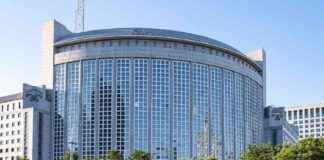
The Green Transformation of Shanghai
Shanghai, China’s bustling metropolis, has been making significant strides in urban sustainability, positioning itself as a global leader in green innovation. The city’s commitment to reducing its carbon footprint and enhancing the quality of life for its residents has garnered international attention. This article delves into Shanghai’s innovative approaches to urban sustainability, highlighting key projects and initiatives that are setting a precedent for other major cities worldwide.
Smart Urban Planning and Green Infrastructure
One of the cornerstones of Shanghai’s sustainability efforts is its smart urban planning. The city has integrated green infrastructure into its urban design, creating parks, green roofs, and urban forests that not only enhance biodiversity but also improve air quality. The Shanghai Green Belt, a sprawling network of green spaces, serves as a vital lung for the city, providing a respite from the urban hustle and bustle while promoting ecological balance.
In addition to green spaces, Shanghai has invested heavily in sustainable transportation. The city’s extensive public transportation system, including buses, metros, and high-speed rail, reduces reliance on private vehicles, thereby lowering carbon emissions. The introduction of electric buses and the expansion of bike-sharing programs further underscore Shanghai’s commitment to sustainable mobility.
Renewable Energy and Energy Efficiency
Shanghai is also a pioneer in renewable energy adoption. The city has set ambitious targets to increase its use of solar and wind energy, with numerous solar farms and wind turbines dotting its landscape. The Shanghai Electric Power Company has been instrumental in driving this transition, implementing energy-efficient technologies in both residential and commercial buildings.
Energy efficiency is another critical area of focus. The city has introduced stringent building codes that mandate the use of energy-efficient materials and systems. Retrofitting older buildings with modern insulation, lighting, and heating systems has significantly reduced energy consumption. Moreover, the widespread adoption of smart grids and energy management systems has optimized energy distribution, ensuring that resources are used more efficiently.
Waste Management and Circular Economy
Effective waste management is a key component of Shanghai’s sustainability strategy. The city has implemented a comprehensive waste sorting system, encouraging residents and businesses to separate recyclables from general waste. This initiative has not only reduced the volume of waste sent to landfills but also promoted the recycling and reuse of materials.
Shanghai’s circular economy model is another notable achievement. The city has established industrial parks that focus on resource efficiency and waste minimization. These parks bring together companies from various sectors to share resources, reduce waste, and create a closed-loop system where by-products from one industry become raw materials for another. This approach not only conserves resources but also creates economic opportunities.
Public Awareness and Community Engagement
Public awareness and community engagement are vital for the success of any sustainability initiative. Shanghai has launched numerous campaigns to educate its residents about the importance of sustainable living. Schools, community centers, and online platforms are used to disseminate information on topics such as energy conservation, waste reduction, and sustainable transportation.
Community involvement is also encouraged through participatory projects and volunteer programs. Residents are invited to contribute to urban greening initiatives, such as planting trees and maintaining community gardens. These activities foster a sense of ownership and responsibility, making sustainability a collective effort rather than a top-down mandate.
Looking Ahead: Challenges and Opportunities
While Shanghai has made remarkable progress in its sustainability journey, challenges remain. Rapid urbanization, increasing population density, and the need for continuous innovation pose significant hurdles. However, the city’s proactive approach and commitment to long-term planning provide a solid foundation for overcoming these challenges.
For those interested in sustainable living and innovative urban solutions, exploring resources like the product reviews recommendation guide can offer valuable insights. As Shanghai continues to evolve, it serves as a beacon of hope and inspiration for other cities striving to balance economic growth with environmental stewardship.
The city’s journey towards sustainability is a testament to the power of visionary leadership, technological innovation, and community collaboration. By learning from Shanghai’s experiences, other urban centers can chart their own paths to a greener, more sustainable future.
Explore the far-reaching effects of cultural events with our in-depth analysis of Stockholm’s global cultural influence, a must-read for anyone following current global trends.
As education systems worldwide adapt to new challenges, our latest piece examines key trends reshaping learning offers a comprehensive look at the latest developments.
To stay informed about the latest global trends and their impact on Berlin, we suggest exploring current developments in the city.