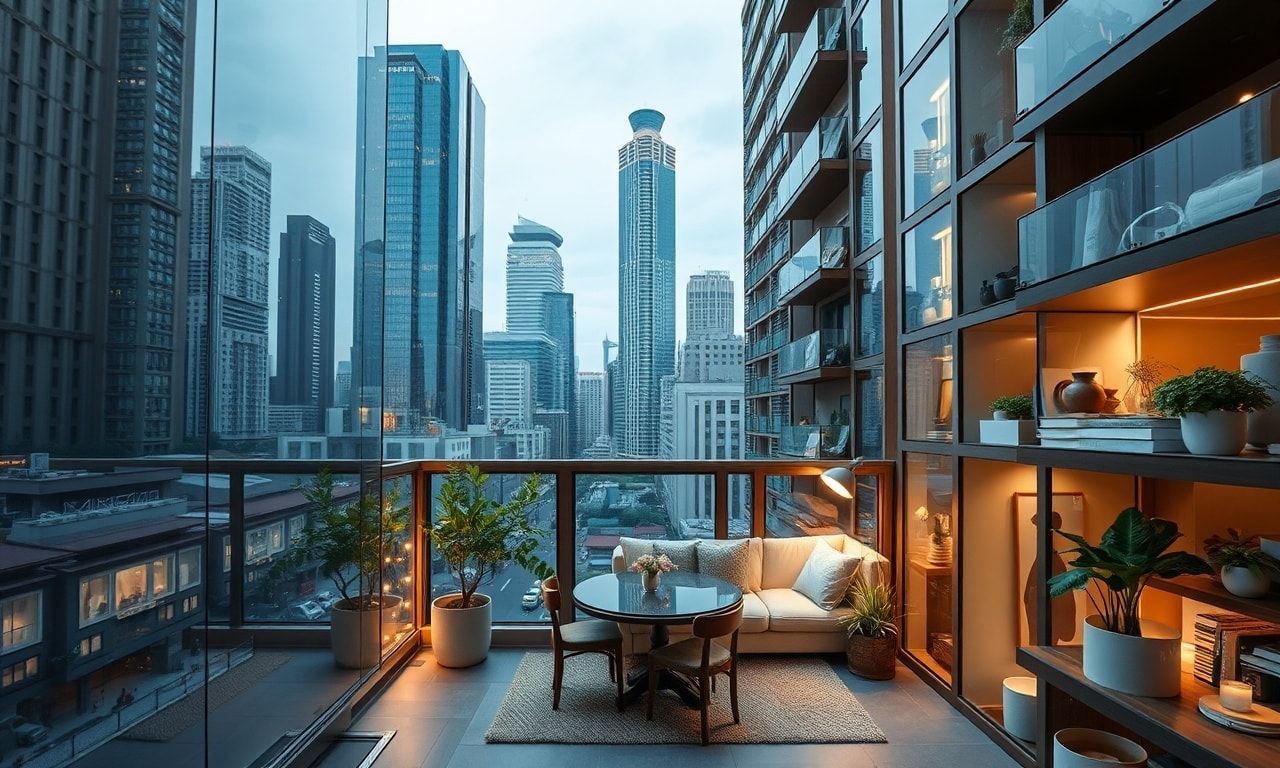
Introduction
In the heart of China’s bustling metropolis, Shanghai, a unique trend is reshaping the urban landscape. As the city grapples with a growing population and limited space, micro-apartments have emerged as a viable solution. These compact living spaces, often smaller than 30 square meters, are redefining urban living and sparking trending topics popular discussions among architects, urban planners, and residents alike.
The Rise of Micro-Apartments
The concept of micro-apartments is not entirely new, but its popularity in Shanghai has surged in recent years. According to the Shanghai Statistics Bureau, the city’s population has been steadily increasing, reaching over 26 million in 2021. This rapid urbanization has led to a housing shortage, driving up property prices and rents. As a result, many residents, particularly young professionals and students, are turning to micro-apartments as an affordable alternative.
These compact living spaces are typically found in high-rise buildings and often come equipped with basic amenities such as a kitchenette, a bathroom, and a multifunctional living area. Despite their small size, micro-apartments offer residents the convenience of living in the city center, close to work, education, and entertainment hubs.
The Benefits of Micro-Apartments
Micro-apartments offer several advantages that cater to the needs of modern urban dwellers. Firstly, they are cost-effective. In a city where the average apartment size is around 60 square meters, micro-apartments provide a more affordable housing option. Secondly, they promote efficient use of space. With clever design and space-saving furniture, these compact living spaces can be just as functional as larger apartments.
Moreover, micro-apartments encourage a minimalist lifestyle, which is gaining traction among young professionals. By downsizing, residents can reduce their carbon footprint and contribute to sustainable urban living. Lastly, these apartments often foster a sense of community. Many buildings housing micro-apartments feature shared spaces such as co-working areas, gyms, and rooftop gardens, encouraging interaction among residents.
The Challenges
Despite their benefits, micro-apartments also present certain challenges. The limited space can feel cramped, especially for those accustomed to larger living areas. Additionally, the lack of privacy and storage space can be a concern for some residents. Furthermore, the long-term effects of living in compact spaces on mental health and well-being are still being studied.
Urban planners and architects are addressing these challenges by incorporating innovative design elements into micro-apartments. For instance, some apartments feature foldable furniture, hidden storage spaces, and large windows to create an illusion of spaciousness. Others include green spaces and natural light to enhance the living experience.
Government Initiatives
The Shanghai municipal government has recognized the potential of micro-apartments in addressing the city’s housing crisis. In recent years, it has introduced policies to support the development of these compact living spaces. For example, the government has relaxed regulations on minimum apartment sizes and provided tax incentives for developers who build micro-apartments.
Additionally, the government has launched public-private partnerships to promote the construction of affordable housing, including micro-apartments. These initiatives aim to provide more housing options for low and middle-income residents, thereby reducing the burden of high rents and property prices.
Case Studies
Several successful case studies highlight the potential of micro-apartments in Shanghai. One notable example is the ‘Micro-Apartment Complex’ in the city’s Pudong district. This development features apartments ranging from 20 to 30 square meters, equipped with modern amenities and shared community spaces. The complex has been well-received by residents, who appreciate its affordability and convenience.
Another example is the ‘Tiny Home’ project in the Hongkou district. This initiative offers micro-apartments to young professionals and students at subsidized rates. The apartments are designed with sustainability in mind, featuring energy-efficient appliances and rainwater harvesting systems. The project has not only provided affordable housing but also promoted sustainable living practices.
Conclusion
The rise of micro-apartments in Shanghai reflects the city’s innovative approach to urban living. As the population continues to grow and space becomes increasingly limited, these compact living spaces offer a practical solution to the housing crisis. While challenges remain, ongoing efforts by urban planners, architects, and the government are addressing these issues and enhancing the living experience in micro-apartments.
As Shanghai continues to evolve, micro-apartments are likely to play a significant role in shaping the city’s urban landscape. They represent a shift towards more sustainable, efficient, and community-oriented living, reflecting the values and needs of modern urban dwellers. Whether you are a resident, a developer, or an urban planner, the trend of micro-apartments is one to watch in the dynamic city of Shanghai.
In the realm of design and functionality, a new article delves into the fascinating world of Eve Sığma Sanatı’s perfect blend, offering a unique perspective on current architectural trends.
In the midst of today’s sports headlines, it’s fascinating to look back at the journey of athletic competition, as detailed in sports history through the ages.
In light of recent trends in sustainable living, our latest feature transforming homes for better life offers practical advice on enhancing quality of life through home improvements.