Introduction
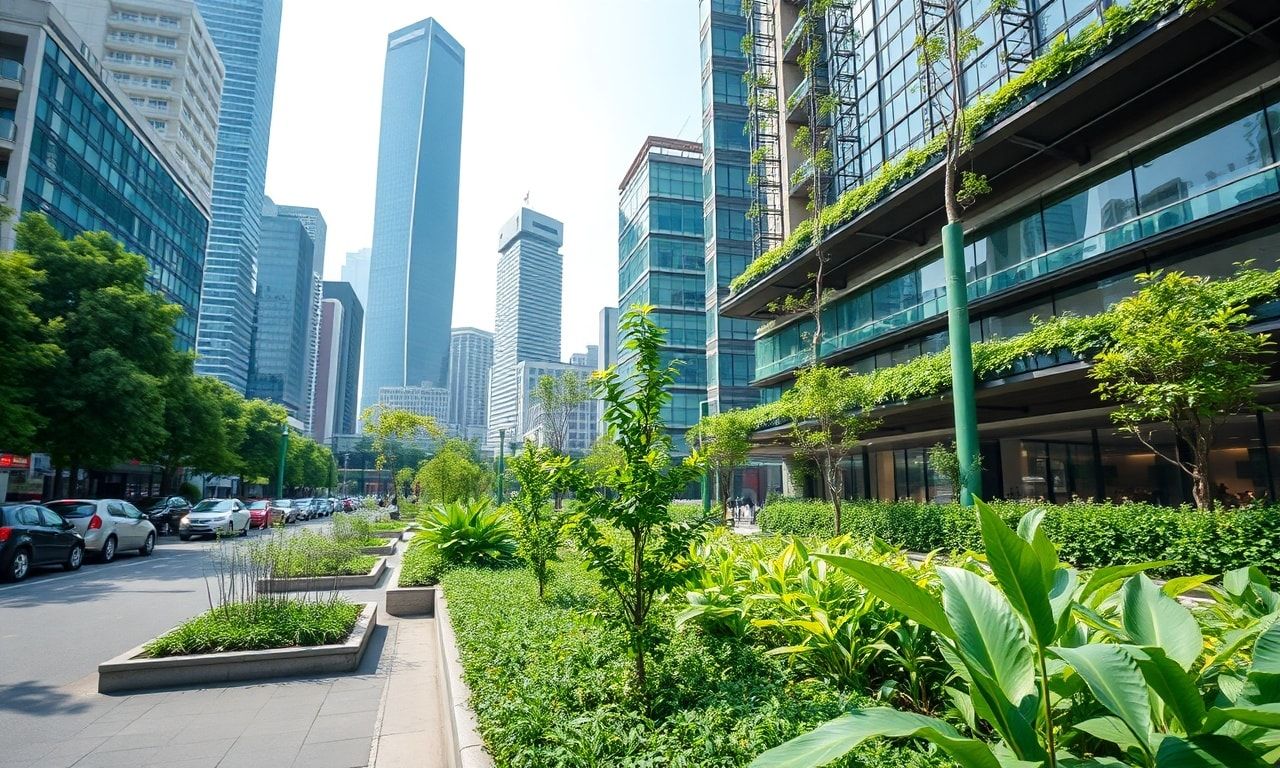
In the heart of China, Shanghai has emerged as a beacon of urban development, seamlessly blending modernity with sustainability. The city’s commitment to green initiatives is not only transforming its skyline but also setting a global benchmark for eco-friendly urban living. This article delves into the various green projects that are making Shanghai a model for sustainable urban development.
The Green Belt Movement
Shanghai’s Green Belt Movement is a testament to the city’s dedication to preserving its natural environment. This initiative involves the creation of extensive green belts around the city, providing a natural barrier against pollution and promoting biodiversity. The green belts are designed to be accessible to residents, encouraging outdoor activities and fostering a sense of community. These green spaces are not just for show; they play a crucial role in improving air quality and mitigating the urban heat island effect.
Urban Forests
One of the most notable aspects of the Green Belt Movement is the development of urban forests. These forests are strategically planted in areas with high population density to provide a respite from the concrete jungle. The urban forests are carefully planned to include a variety of plant species, ensuring a rich and diverse ecosystem. Residents can enjoy walking trails, picnic areas, and even educational programs that teach the importance of environmental conservation.
Green Buildings and Architecture
Shanghai’s skyline is dotted with innovative green buildings that are redefining sustainable architecture. These buildings incorporate advanced technologies such as solar panels, rainwater harvesting systems, and energy-efficient lighting. The city’s commitment to green architecture is evident in its numerous LEED-certified buildings, which are designed to minimize their environmental impact while maximizing comfort and functionality.
Sustainable Transportation
In addition to green buildings, Shanghai is also making strides in sustainable transportation. The city has an extensive network of bike lanes and is promoting the use of electric vehicles. Public transportation is another area where Shanghai is leading the way, with a fleet of buses and trains that run on clean energy. These initiatives not only reduce the city’s carbon footprint but also provide residents with affordable and efficient transportation options.
The Role of Technology in Green Initiatives
Technology plays a pivotal role in Shanghai’s green initiatives. The city is leveraging advanced technologies such as smart grids, IoT sensors, and data analytics to monitor and optimize its green projects. For instance, smart grids help manage energy distribution efficiently, while IoT sensors provide real-time data on air quality and pollution levels. This data-driven approach ensures that the city’s green initiatives are effective and sustainable in the long run.
Community Engagement
Community engagement is another key aspect of Shanghai’s green initiatives. The city actively involves its residents in various environmental programs, such as tree planting drives and clean-up campaigns. These programs not only raise awareness about environmental issues but also foster a sense of responsibility and ownership among the residents. By involving the community, Shanghai ensures that its green initiatives are supported and sustained by the people who benefit from them.
The Impact on Mental Health
The positive impact of Shanghai’s green initiatives extends beyond environmental benefits. Studies have shown that access to green spaces can significantly improve mental health and well-being. The city’s green belts and urban forests provide residents with a much-needed escape from the hustle and bustle of city life. These green spaces offer a tranquil environment where people can relax, unwind, and reconnect with nature. For more information on how green initiatives are improving mental health, you can visit mental health awareness news.
Conclusion
Shanghai’s green initiatives are a shining example of how urban development can be sustainable and inclusive. The city’s commitment to preserving its natural environment, promoting green architecture, and leveraging technology is setting a global standard for eco-friendly urban living. By involving the community and focusing on mental health benefits, Shanghai is not only creating a greener city but also a healthier and happier one. As other cities look to Shanghai for inspiration, it is clear that the future of urban development lies in sustainability and community engagement.
To stay informed about recent policy shifts, consider exploring Turkey’s education and welfare reforms, which outlines the latest developments in these critical sectors.
In the midst of rapid technological advancements, understanding the balance between technology and human life is crucial, as explored in technology’s role in daily life.
As mindfulness practices gain global traction, a new trend is emerging in the wellness industry, as detailed in open meditation’s rising popularity.