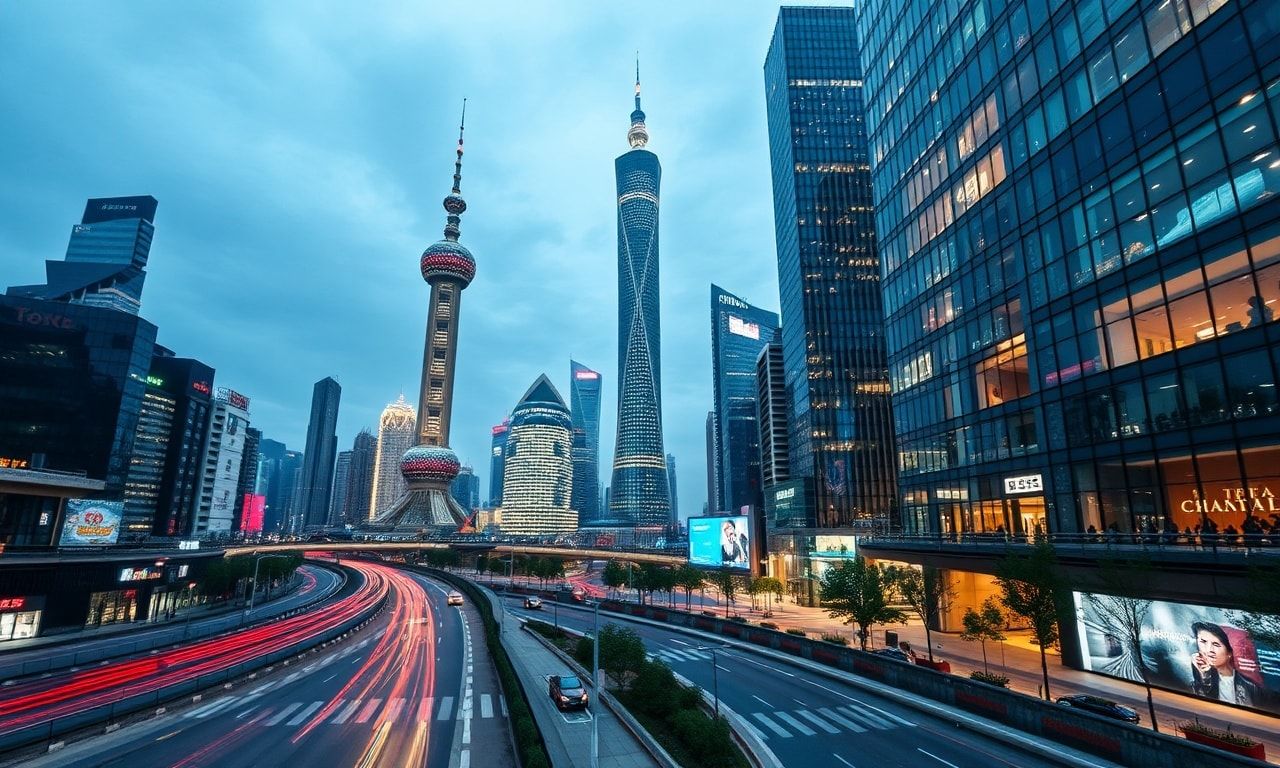
The Rise of Smart Cities in Shanghai
Shanghai, a bustling metropolis known for its rapid development and technological advancements, is at the forefront of the smart city revolution. The city’s commitment to integrating technology into urban infrastructure is transforming the way residents live, work, and interact with their environment. From intelligent traffic management systems to advanced public transportation networks, Shanghai is setting a global benchmark for smart urban living.
One of the key components of Shanghai’s smart city initiative is the extensive use of sensors and data analytics. These technologies enable city planners to monitor and manage various aspects of urban life, including energy consumption, waste management, and public safety. By leveraging big data, Shanghai aims to create a more efficient, sustainable, and livable city for its residents.
The Role of Intelligent Transportation Systems
Intelligent transportation systems (ITS) are a cornerstone of Shanghai’s smart city strategy. The city has invested heavily in advanced traffic management technologies, including real-time traffic monitoring, adaptive traffic signal control, and intelligent parking systems. These innovations help reduce congestion, improve traffic flow, and enhance the overall commuting experience for residents.
In addition to ITS, Shanghai has also embraced electric and autonomous vehicles as part of its smart transportation ecosystem. The city’s public transportation network, including buses and taxis, is gradually transitioning to electric vehicles, reducing carbon emissions and promoting a greener urban environment. Furthermore, pilot projects for autonomous vehicles are underway, paving the way for a future where self-driving cars become a common sight on Shanghai’s streets.
Smart Infrastructure and Sustainable Development
Shanghai’s smart city initiatives extend beyond transportation to include smart infrastructure and sustainable development. The city is actively promoting the use of renewable energy sources, such as solar and wind power, to reduce its carbon footprint. Smart grids and energy-efficient buildings are being integrated into the urban landscape, ensuring that Shanghai remains at the forefront of sustainable urban development.
Water management is another critical area where Shanghai is leveraging smart technologies. The city has implemented advanced water monitoring and treatment systems to ensure a reliable supply of clean water for its residents. These systems use real-time data to detect leaks, optimize water distribution, and prevent water waste, contributing to a more sustainable urban water cycle.
The Impact of Smart Technologies on Daily Life
The integration of smart technologies into Shanghai’s urban infrastructure has a profound impact on the daily lives of its residents. For instance, smart home systems allow residents to control their home environments remotely, enhancing convenience and energy efficiency. From adjusting the temperature to monitoring security cameras, these systems provide a seamless and intuitive user experience.
Moreover, the Honda Civic infotainment system review highlights how advanced infotainment systems in modern vehicles are enhancing the driving experience. These systems offer features such as navigation, entertainment, and connectivity, making commuting more enjoyable and efficient. As Shanghai continues to embrace smart technologies, residents can expect even more innovative solutions to improve their quality of life.
Challenges and Future Prospects
Despite the numerous benefits of smart city initiatives, Shanghai faces several challenges in its quest to become a fully integrated smart city. Data privacy and security are major concerns, as the collection and analysis of vast amounts of data raise questions about how to protect personal information. Additionally, the high cost of implementing and maintaining smart technologies can be a barrier, requiring significant investment and ongoing maintenance.
Looking ahead, Shanghai’s commitment to smart city development remains unwavering. The city continues to explore new technologies and partnerships to overcome these challenges and achieve its vision of a sustainable, efficient, and livable urban environment. By embracing innovation and leveraging the power of data, Shanghai is poised to set a global example for smart city development in the 21st century.
In the realm of automotive news, a new analysis delves into the Civic’s technological advancements and its broader implications for the industry.
Amidst the current economic climate, understanding personal finance strategies is more crucial than ever, as highlighted in navigating the path to wealth.
In the realm of automotive advancements, a new report highlights Turkey’s industry innovations by 2026, offering a glimpse into the future of transportation technology.